Tracking the Prince: Drombeg and Knockdrum
/Part 10 in a series featuring sites I visited in Ireland while researching my second novel, The Prince of Glencurragh. See previous posts listed at the end. The hills and bluffs of southwest Cork are not only beautiful, but also magical. It seems at every turn you may find something ancient to fascinate you. Just a short distance from Coppinger’s Court along the Glandore Road, we parked on a narrow dirt road to climb the grassy hill to Drombeg Stone Circle.
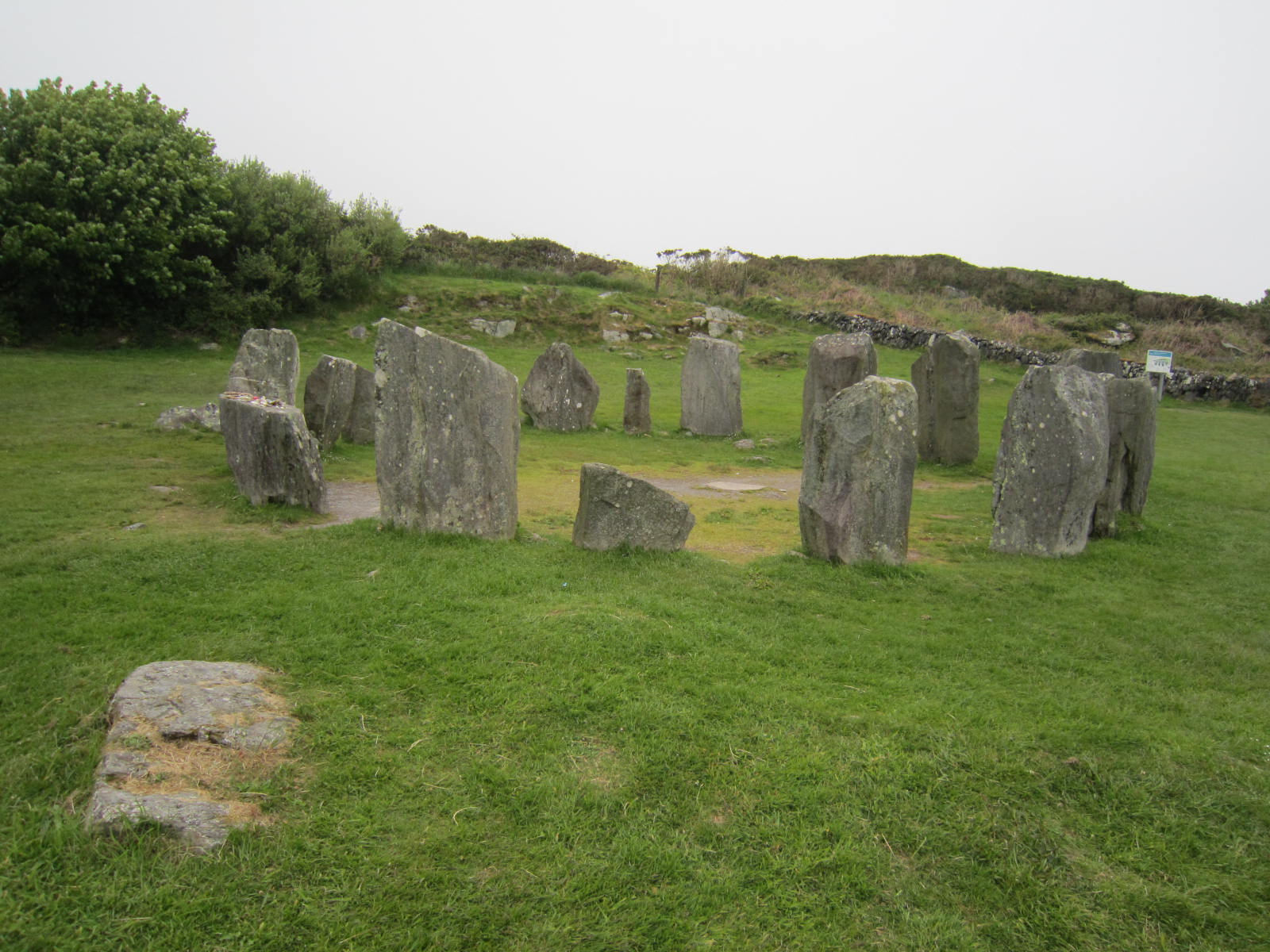 This place had interested me from afar. I didn’t intend to use a stone circle in The Prince of Glencurragh, but this one happened to sit along the travel trajectory and, despite several earlier trips to Ireland, I had never actually visited a stone circle.
I wonder if everyone who visits them secretly hopes to have some kind of mystical experience? Perhaps not of “Outlander” proportions where the novel’s heroine is transported back 200 years, but at least some kind of physical or spiritual sensation. I wonder how many actually do? For me there was just the simple thrill of being there, touching something so old and at one time sacred, and imagining the people upon whose footsteps I walked.
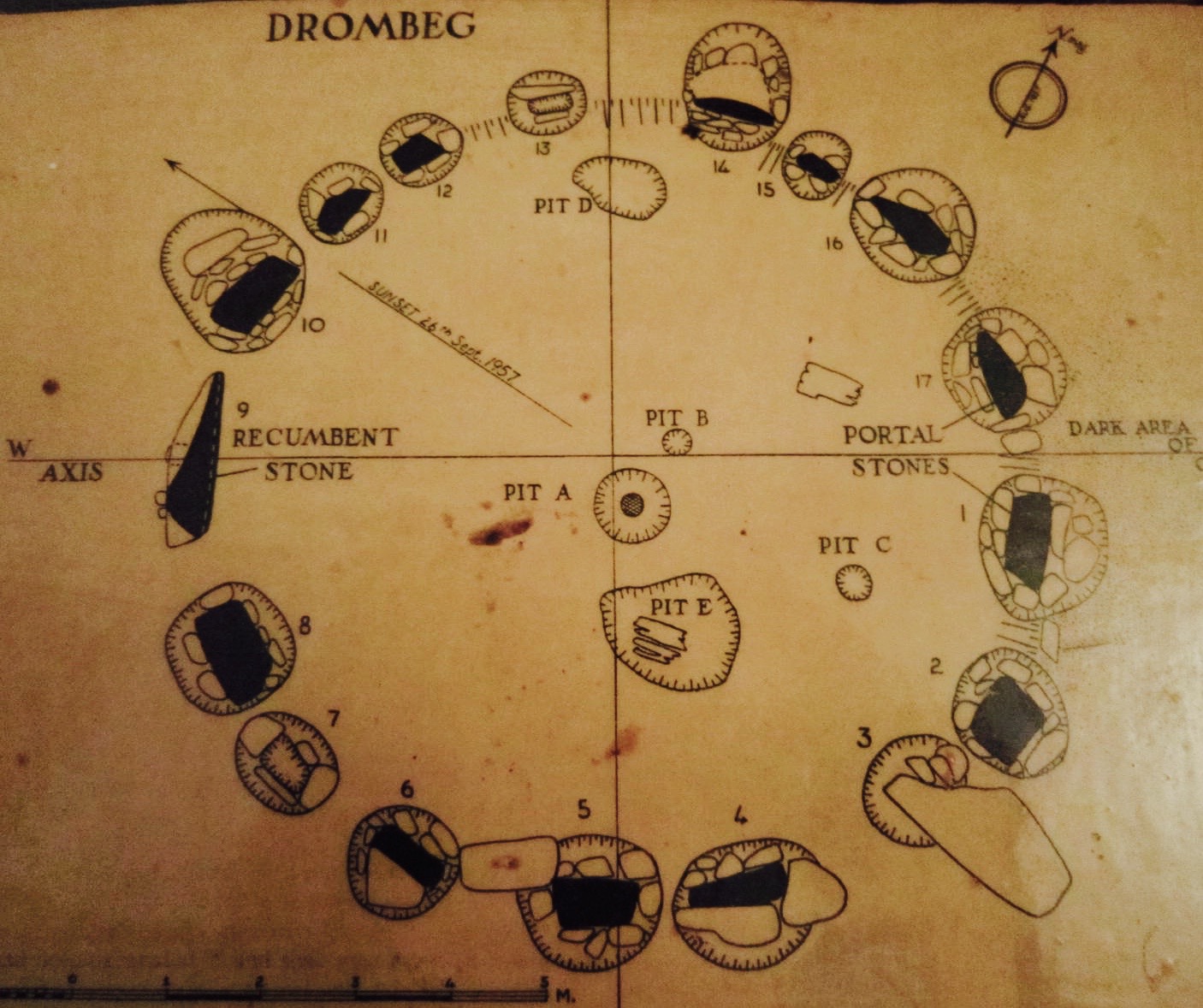 Also known as “The Druid’s Altar,” archaeologists say this 17-stone circle was in use 1100 to 800 BC. The stones slope toward its famous recumbent stone that seems to align with the winter solstice. Depressions and a cooking area (fulacht fiadh) may have been in use until the 5th century AD.
But I’ve got news for archaeologists: visitors to this site are using it still, based on the tokens and offerings they leave behind. Countless prayers must have been uttered here, and it feels almost intimate, the circle small and cloaked within a soft Irish mist. We were there in June, but had we been there at sunset in December, I’m sure we would have heard the spirits singing…

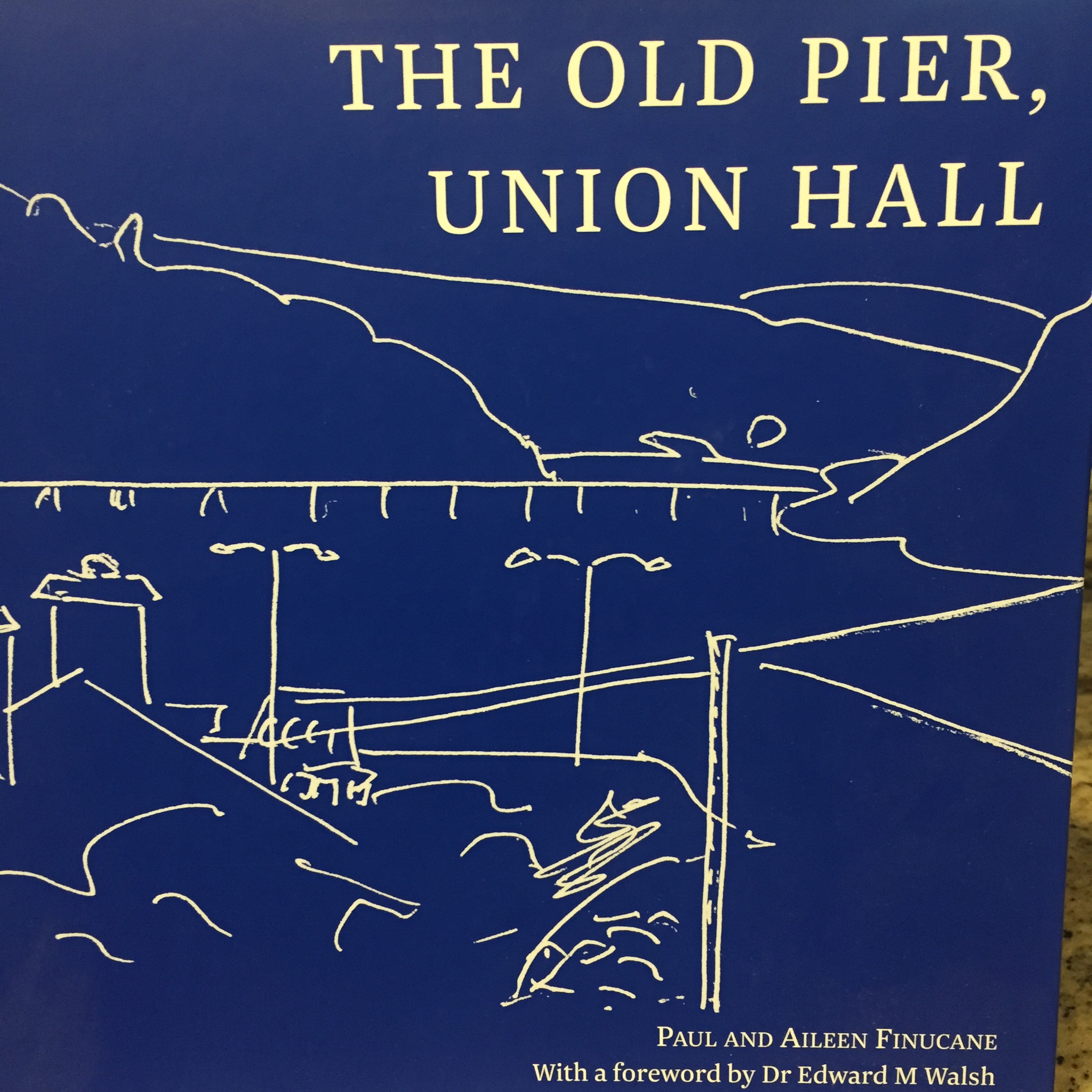 From there we passed Glandore where we would later eat a spectacular dinner at a waterfront restaurant, and Union Hall where I saw the view of the harbor that has enchanted people for ages (and is captured so creatively by the artists in the book, The Old Pier, Union Hall, by Paul and Aileen Finucane).
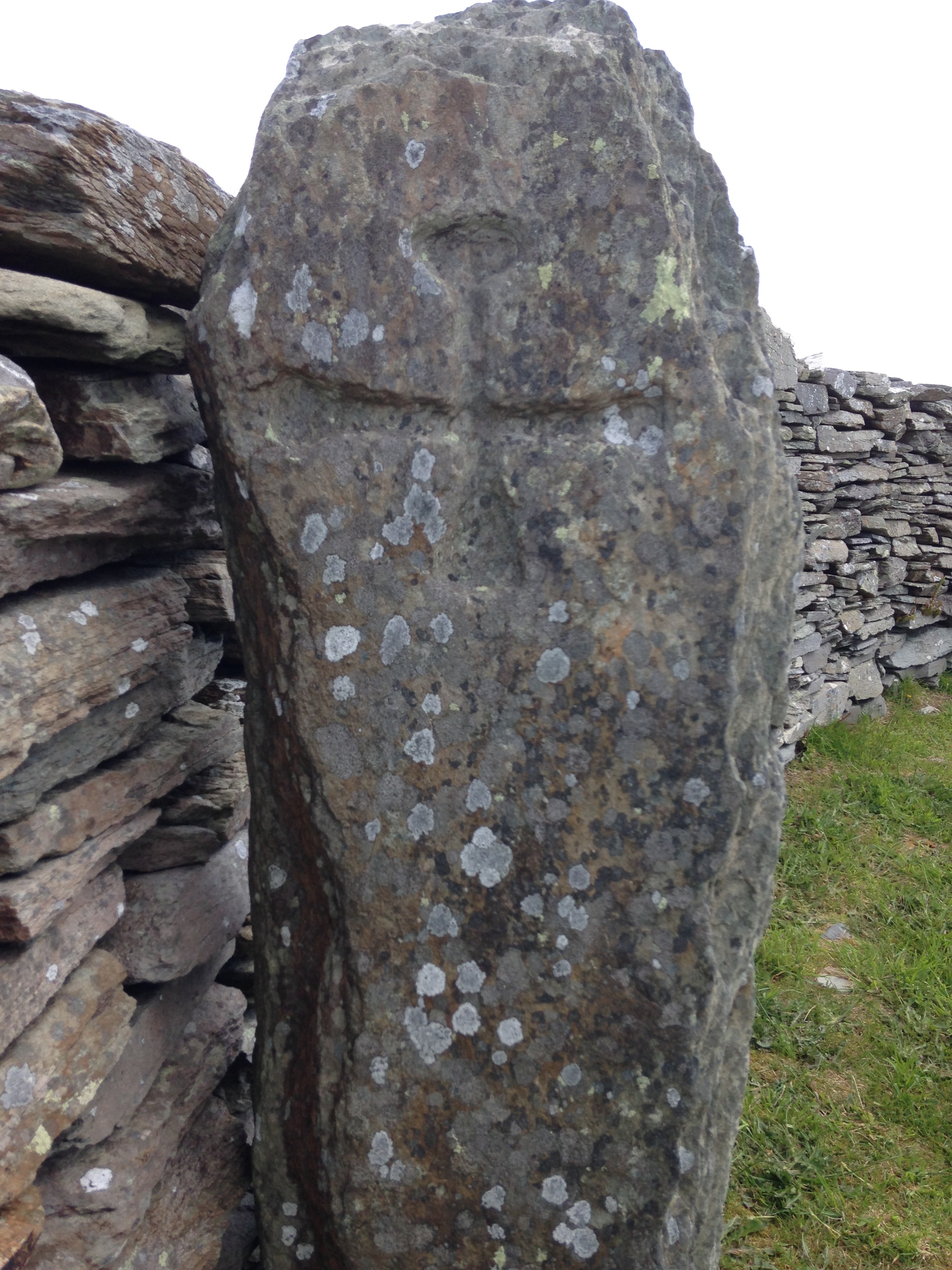
But my destination now was Knockdrum Fort, a few miles farther west. Knockdrum is one of Ireland’s many Iron Age stone ring forts, but this one was reconstructed in the 19th century. It has massive stone walls four to five feet high, arranged in a ring to provide protection as well as a 360 view of the surrounding area. Historians say that while it looks like a defensive fort, its purpose may have been sacred instead. The standing boulder just inside the entrance is inscribed with a large cross.
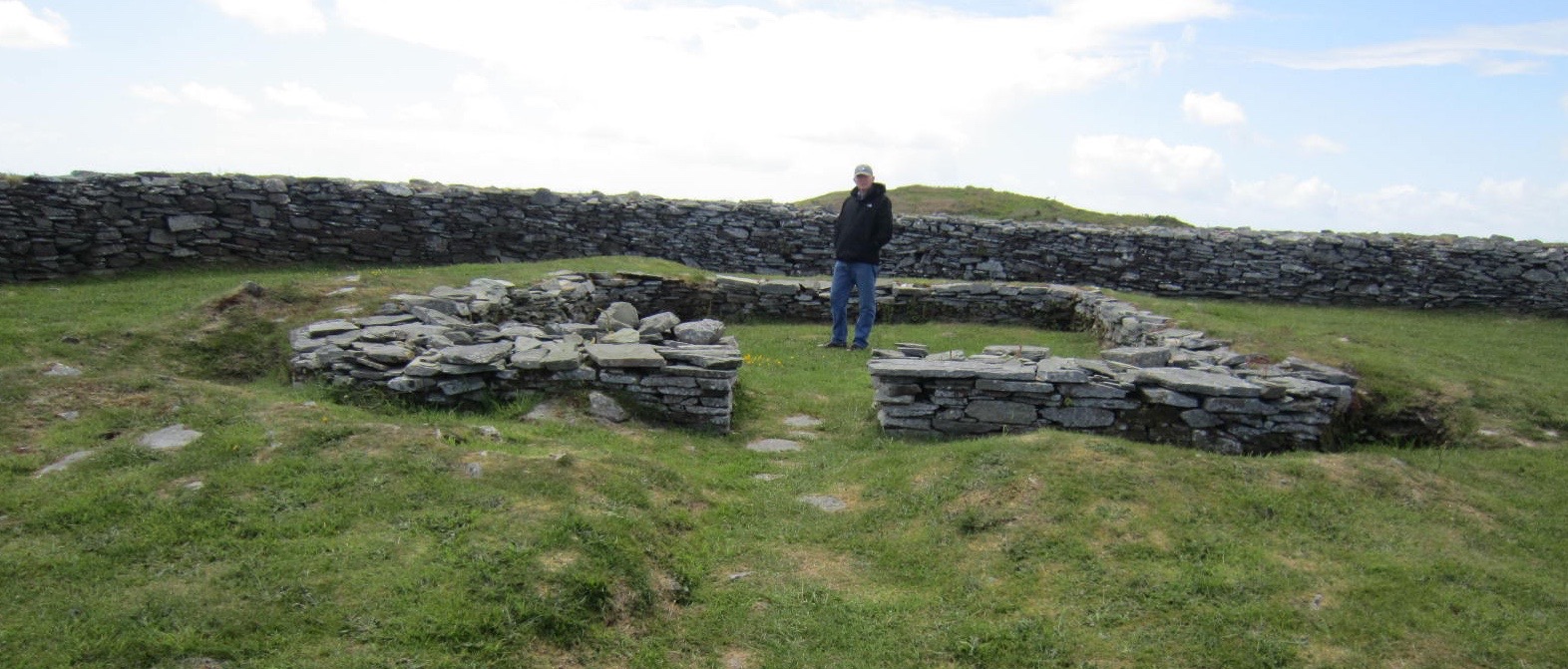
 Through my research I learned the fort had a souterrain with three chambers cut from solid stone, one having a fireplace and flue. One source said the underground passage went all the way down to the sea.
If this was so, I would indeed plan to use this site for a scene in my book. On paper it seemed the perfect location for a pursuit, a setup, a trap, and then a wily escape through the souterrain. And this is why actual site inspection is so important for an author.
Especially for historical fiction, readers want to learn something of the history as they read, and so, while characters and their actions can be fictional, readers expect a high level of accuracy in locations and historical events. I could not portray the location truthfully and still use it in the story because it was set high on a promontory, creating an unnecessary and unrealistic difficulty for the characters. And, if the souterrain was used for the escape route, it would have been quite a long way almost straight down to the sea, with the only advantage being if you had a seaworthy vessel waiting at the bottom.
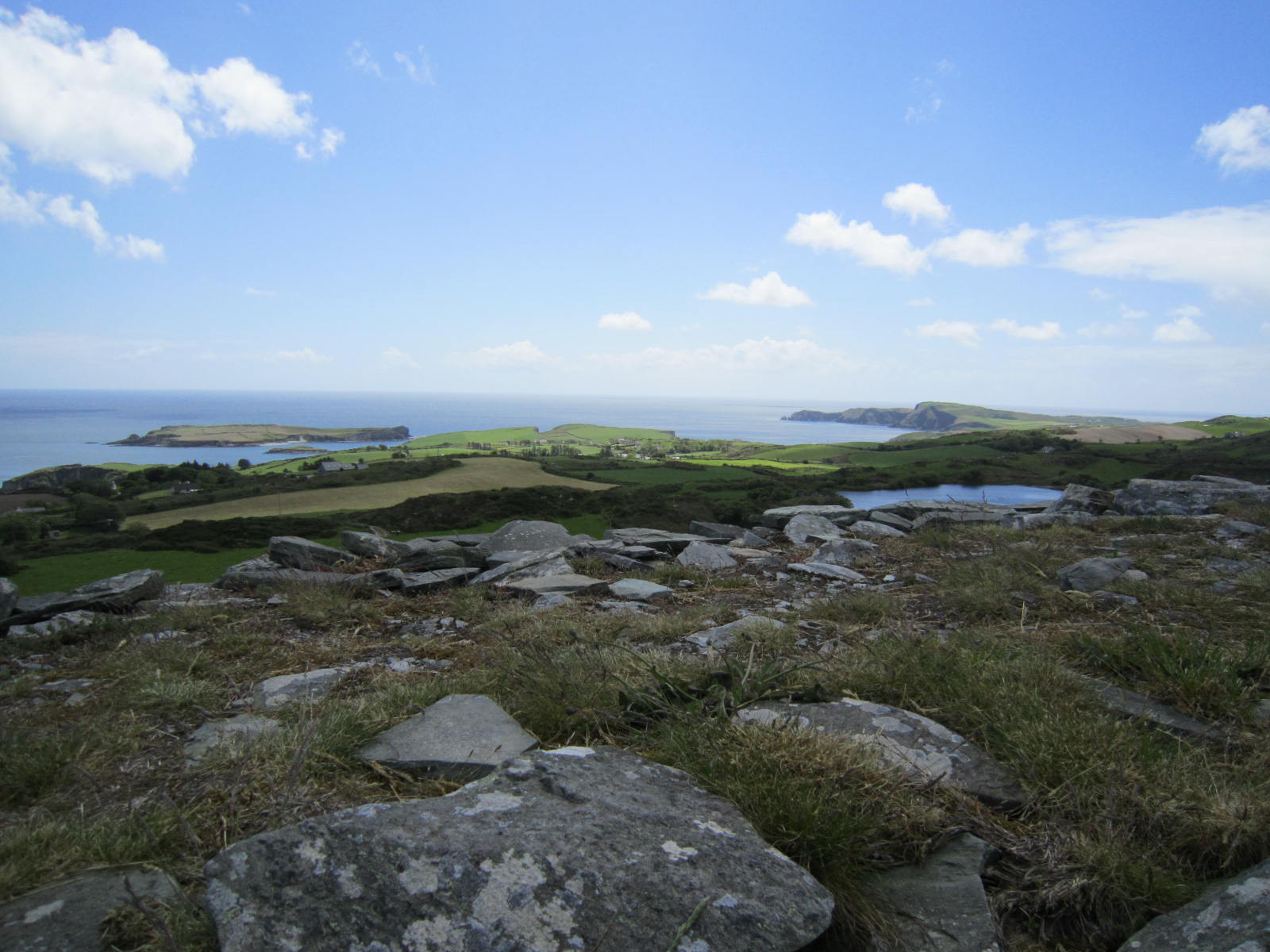
The souterrain was gated off so I could not see inside it, but I had seen enough to know that, while a remarkable site to explore, it would not serve the story well. Perhaps it will find a home in another story one day. The fort’s impressive size and appearance, and the view from all sides, is unforgettable.
Looking northeast of the site as we left it, we saw the “Five Fingers,” or rather three of them. These are megalithic stones jutting from a hill, looking like the skeletal fingers of a giant reaching for the sky—a high five for our explorations that day.
But I still needed a location for that scene in my story. And for this, the Liss Ard would serve quite nicely; coming up next week.
Thanks to Megalithic Ireland, Exploring West Cork by Jack Roberts, Irish Archaeology, abandonedireland.com, Irish Archaeology, The Old Pier, Union Hall, by Paul and Aileen Finucane.
Part 1 - Kanturk Castle
Part 2 - Rock of Cashel
Part 3 - Barryscourt
Part 4 - Ormonde Castle
Part 5 - Lismore Castle
Part 6 - Bandon, Kilcolmen
Part 7 - Timoleague Friary
Part 8 - Castle Freke, Rathbarry, Red Strand
Part 9 - Coppinger's Court
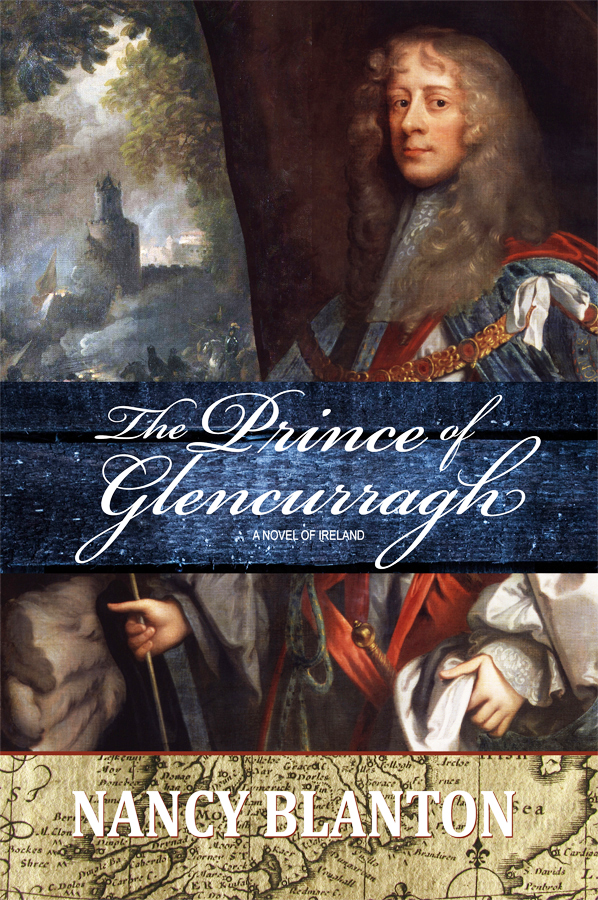 An heiress, a castle, a fortune: what could go wrong?
The Prince of Glencurragh is available in ebook, soft cover and hard cover from online booksellers.
Learn more and sign up for my newsletter at nancyblanton.com
https://books2read.com/u/4N1Rj6
http://www.amazon.com/Prince-Glencurragh-Novel-Ireland-ebook/dp/B01GQPYQDY/
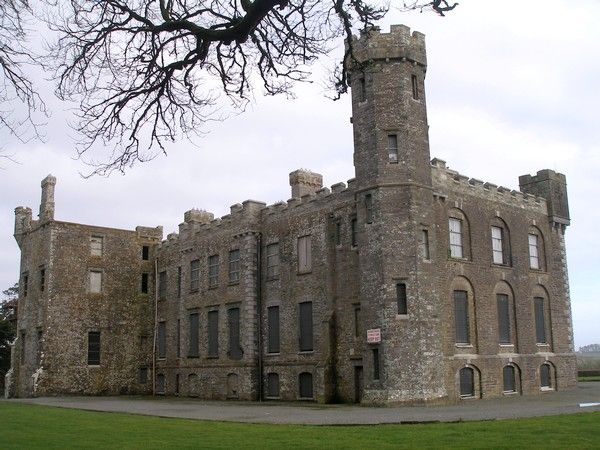
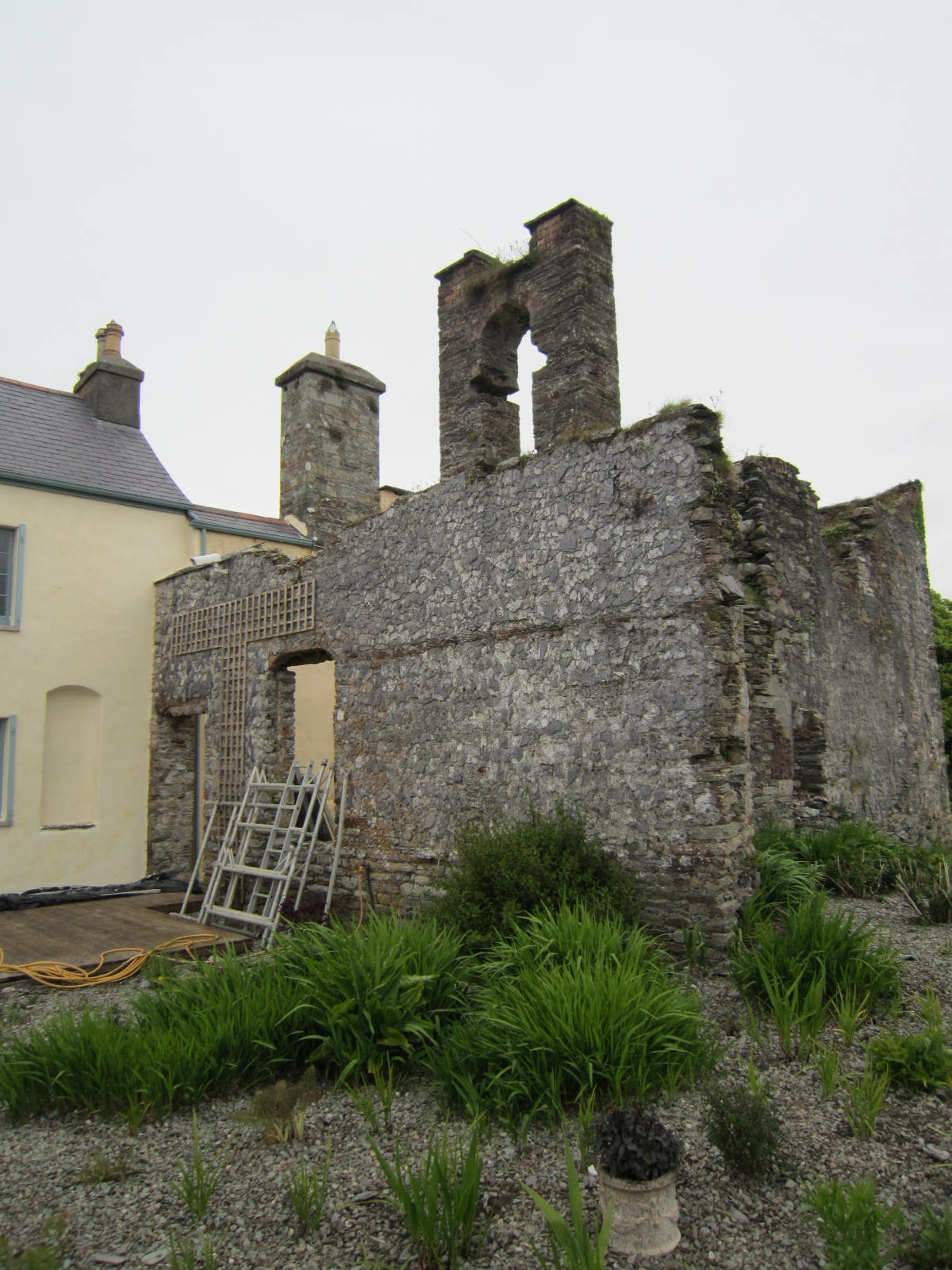
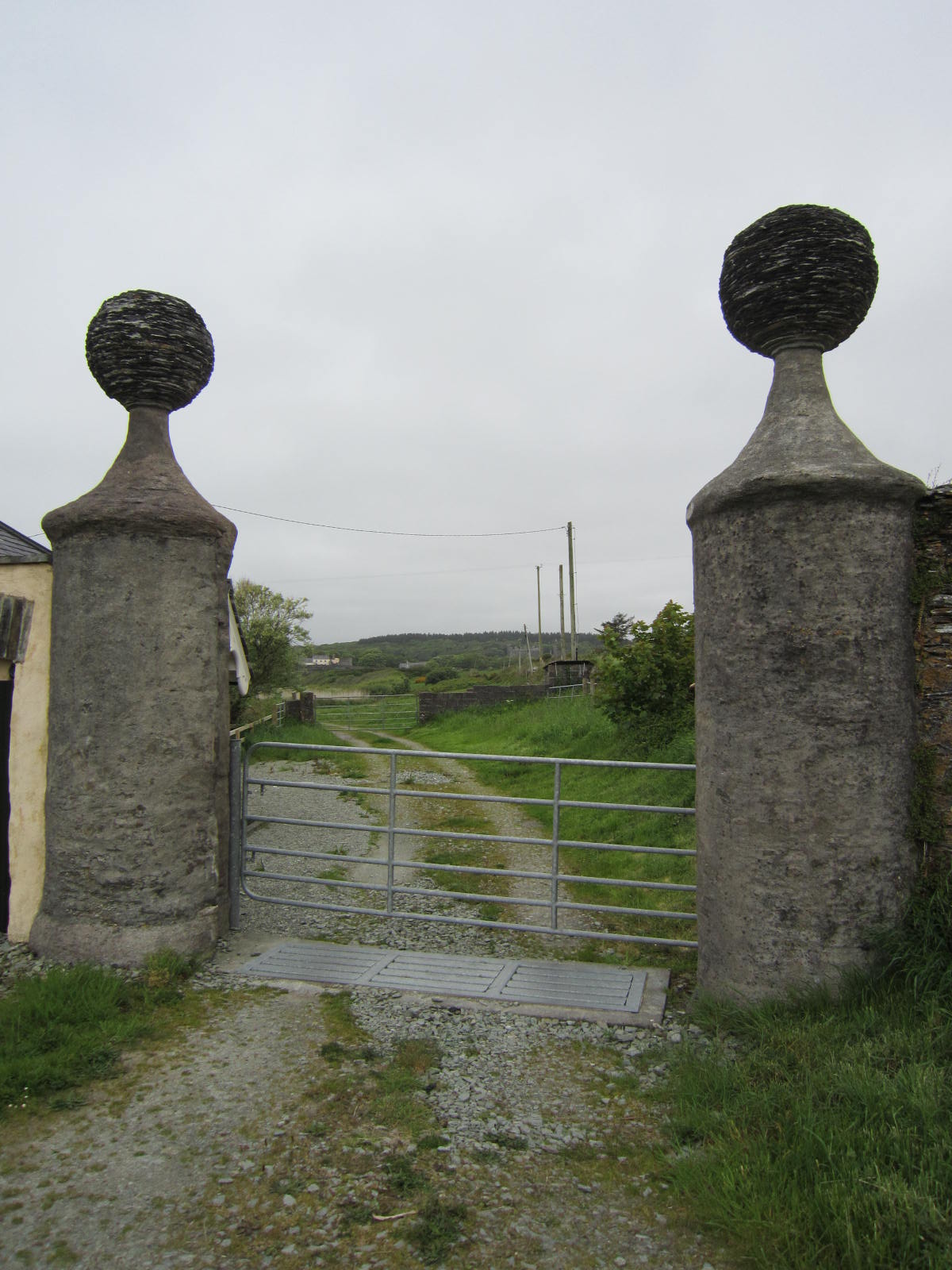
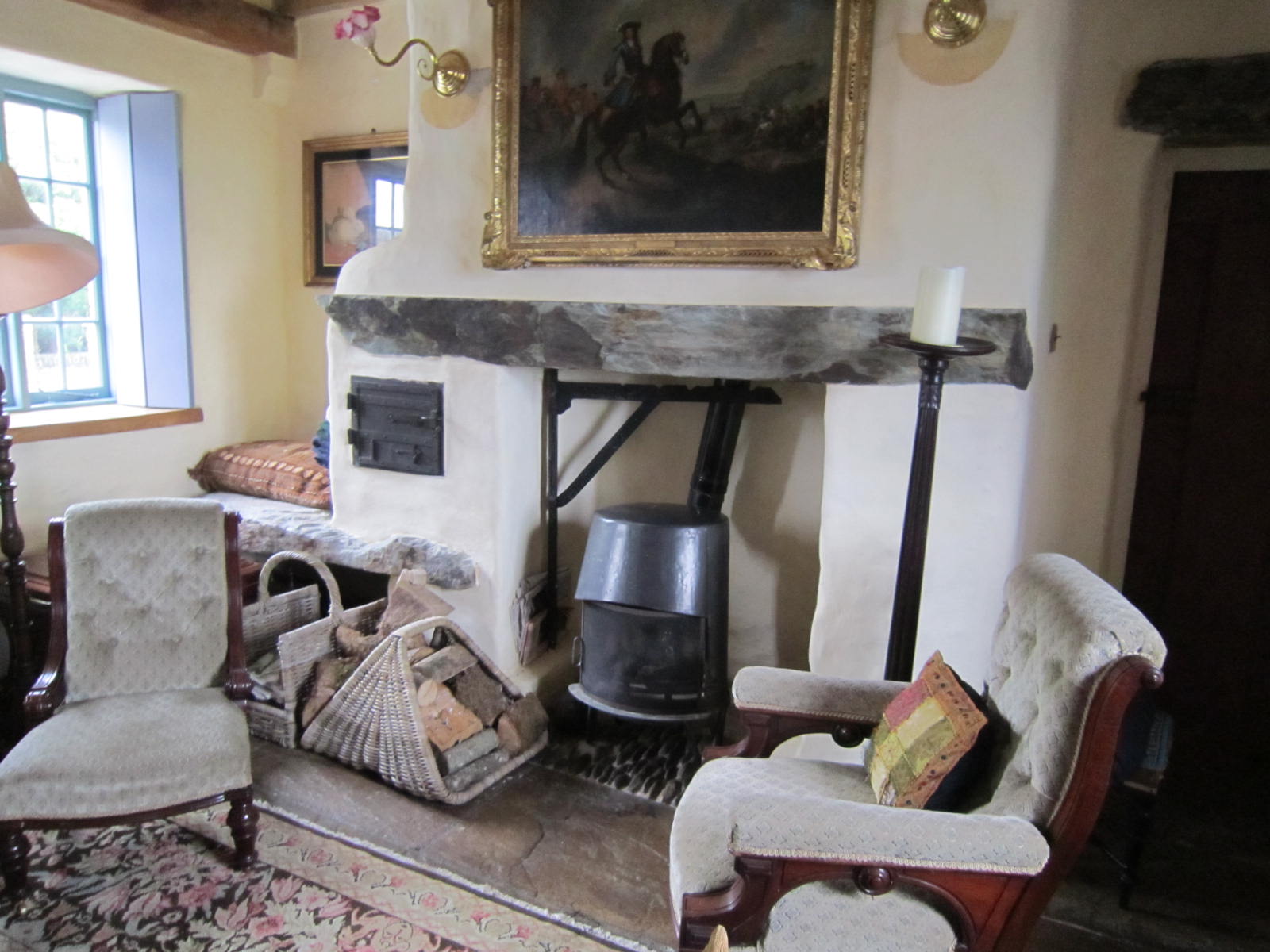 The castle Rathbarry existed on the site of what is now Castlefreke, bearing the family name of Freke for the current owners. Far out on the roadway, the gateposts marking the entrance to the castle grounds with their large spherical tops were said to be true remnants of the 17th century. Just one wall of the ancient stables and carriage house remained, and a new stable house had been built within it remodeled as a private residence. We were treated to a peek inside this structure to get a feel for what home life was like there.
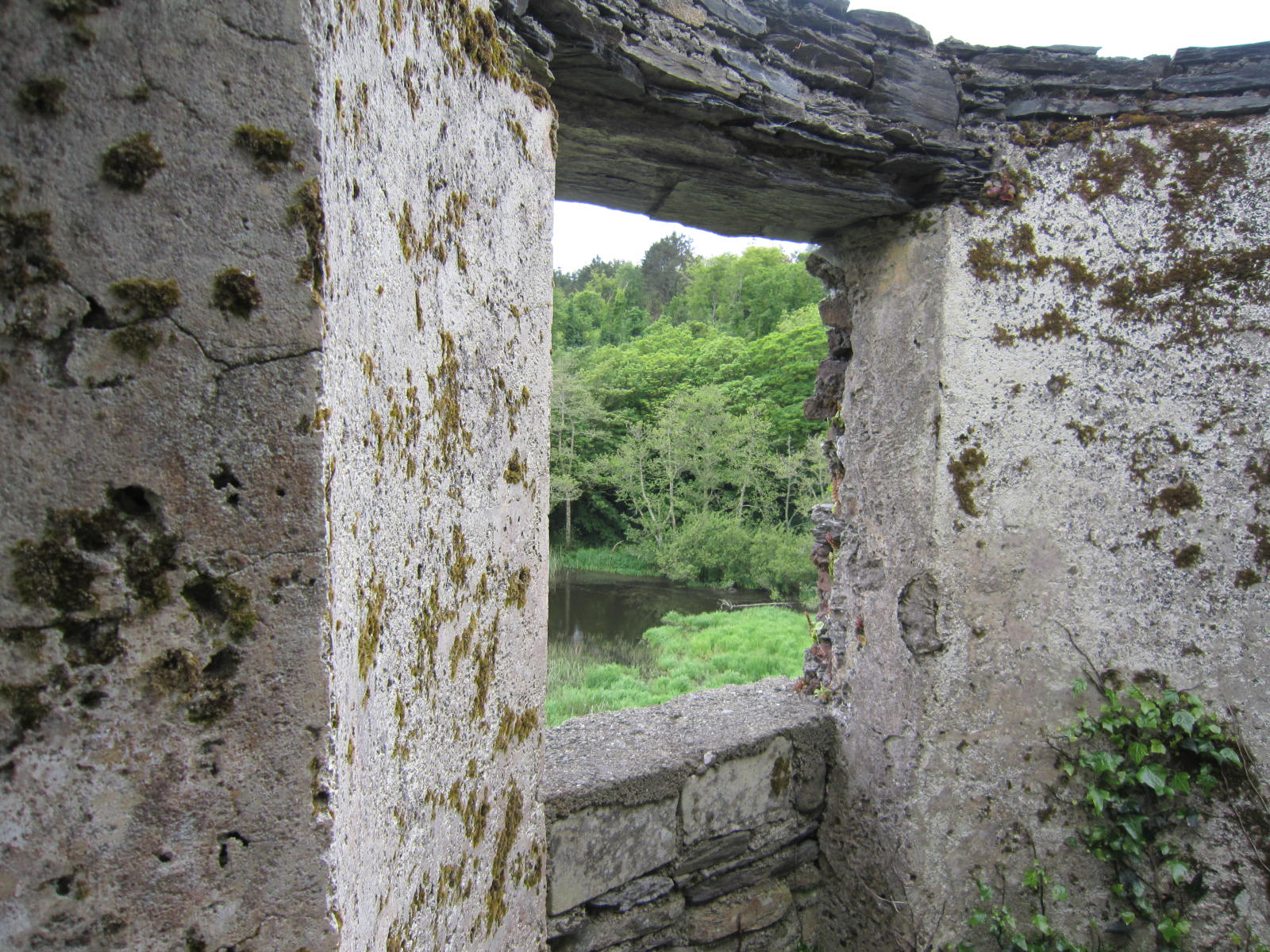 From the upper wall of the ruin, crumbling stone stairs led down to an ancient watergate, a stone passage leading directly from the castle to the water, where boats would have come to deliver food and supplies. But, except for a small, enclosed pond, there was no water. From the top of the steps I could see the bay, maybe half a mile distant. How, I wondered, could the castle have been served from such a distance?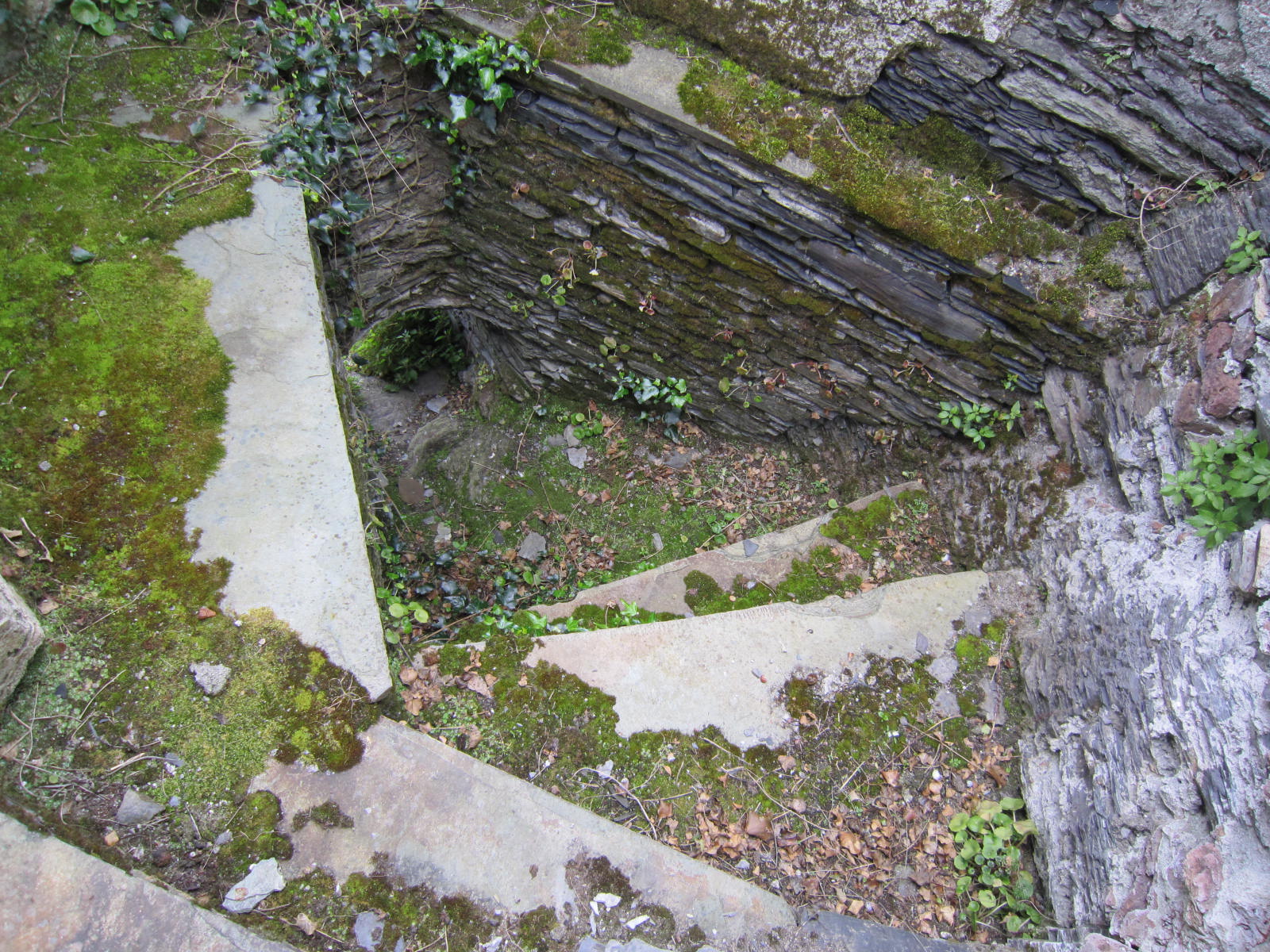
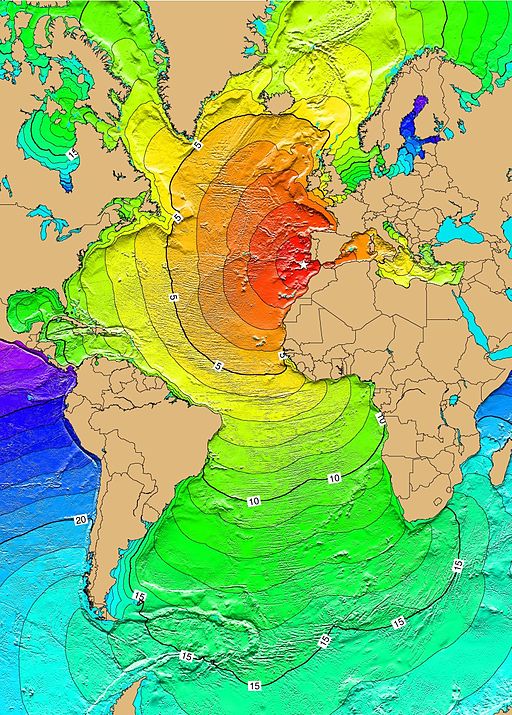
 Gigantic waves were reported as well in the West Indies and Brazil. Could these environmental events have shifted sands and reshaped Ireland’s coastline? Undoubtedly.
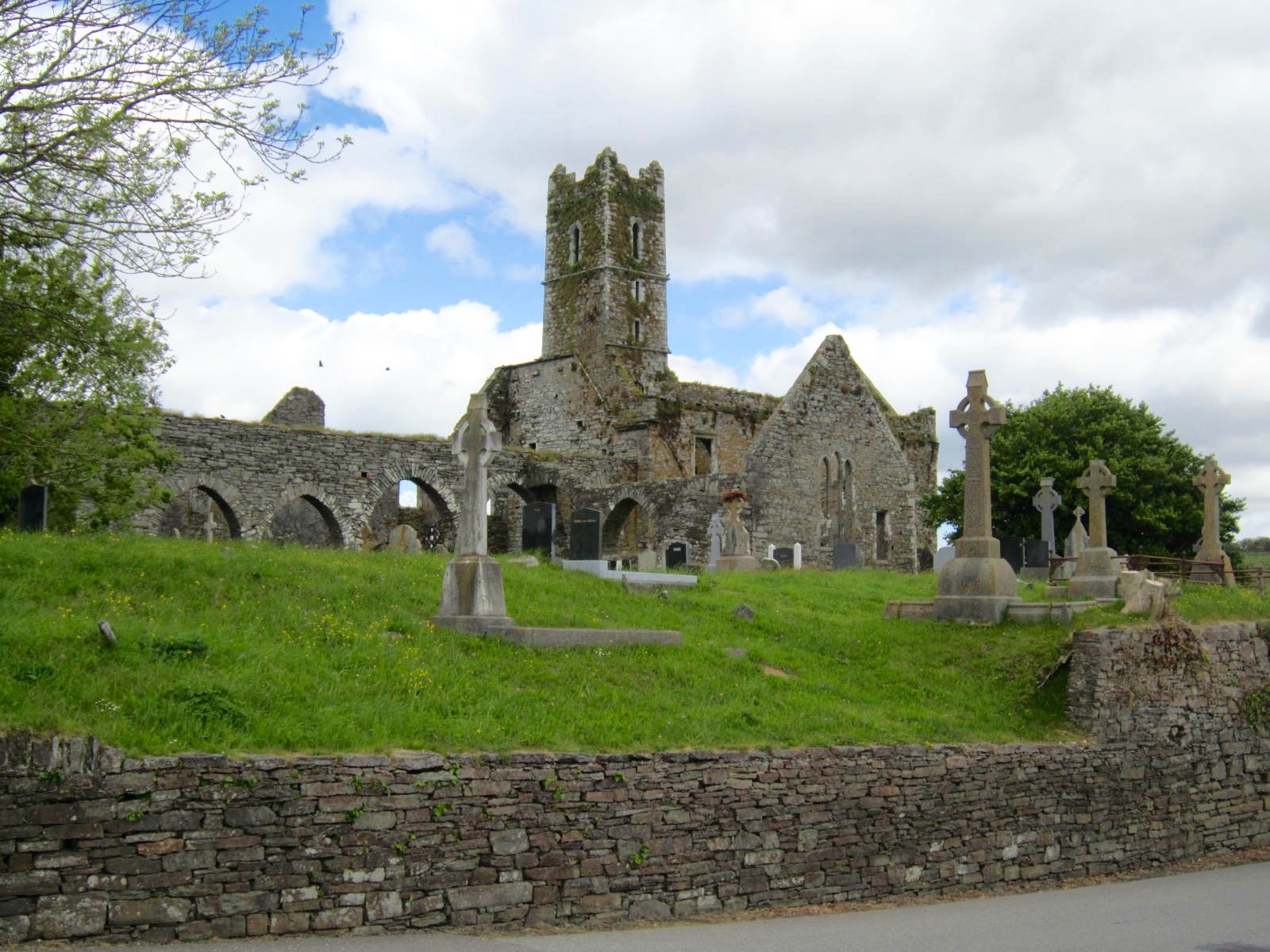 Driving south from Bandon on R602, you will arrive at the town of Timoleague in about 20 minutes, and see immediately the great landmark of Timoleague Friary. For the Prince of Glencurragh, traveling on horseback, at night and over rugged terrain, it would have taken at least three hours to reach this first stop on Faolán Burke’s path to destiny.
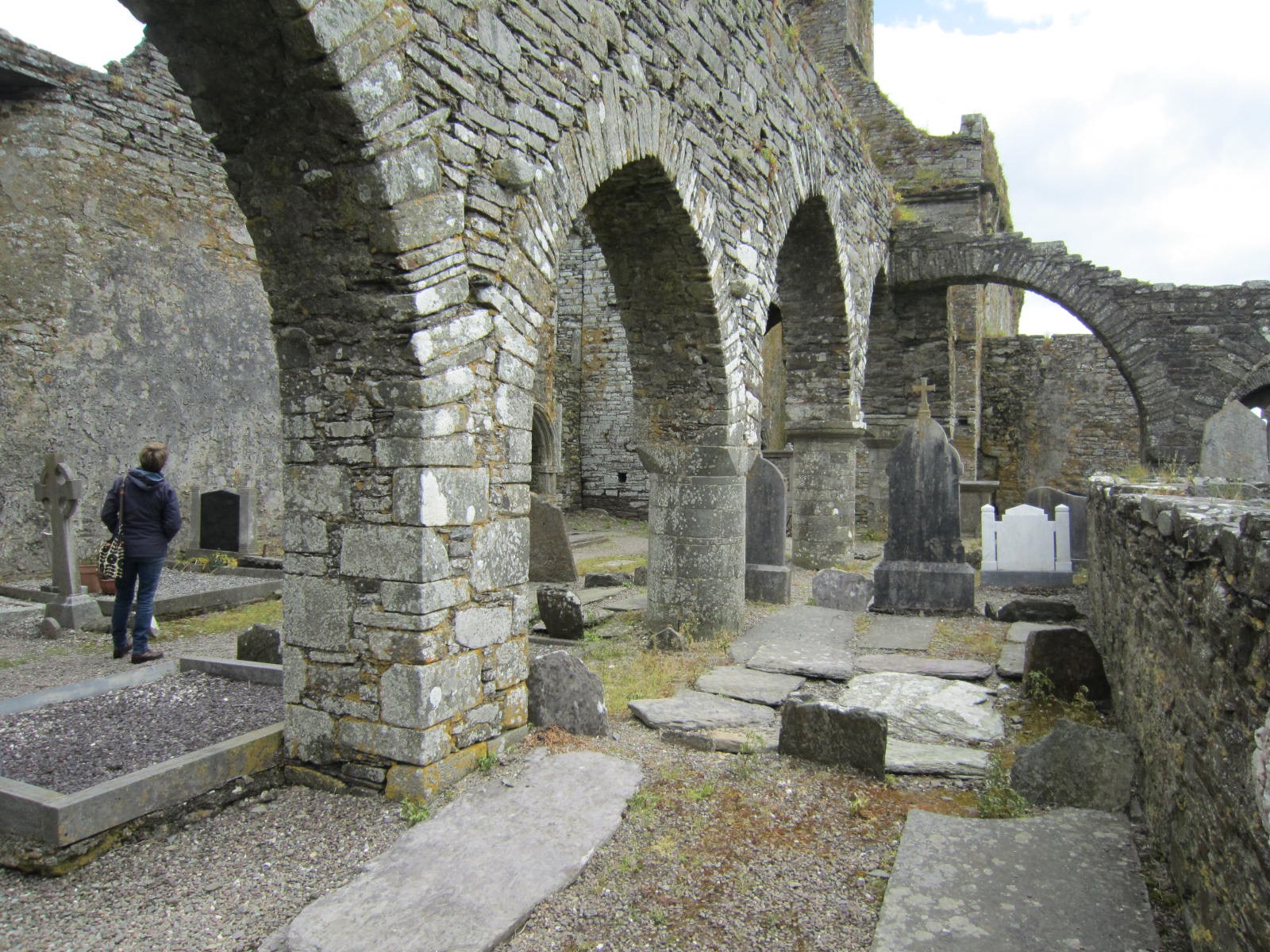 Timoleague Franciscan friary would have provided a most welcome shelter to travelers, even it its ruined state. It remains a massive and impressive structure, the walls of the various rooms still intact so that you can recognize the floor plan and how each room was used. The roof is long gone, and some sources say that parts of the structure were carted away for use in other buildings.
 From the mullioned window in the chorus, one would be hard-pressed to find a view more peaceful and contemplative. This is the spot where my heroine, Vivienne, considers her circumstances, having been abducted by three strange men, however benevolent they might have seemed. It’s the place where narrator Aengus recalls a treasured time with his father. And it is where he and Vivienne first realize a common bond.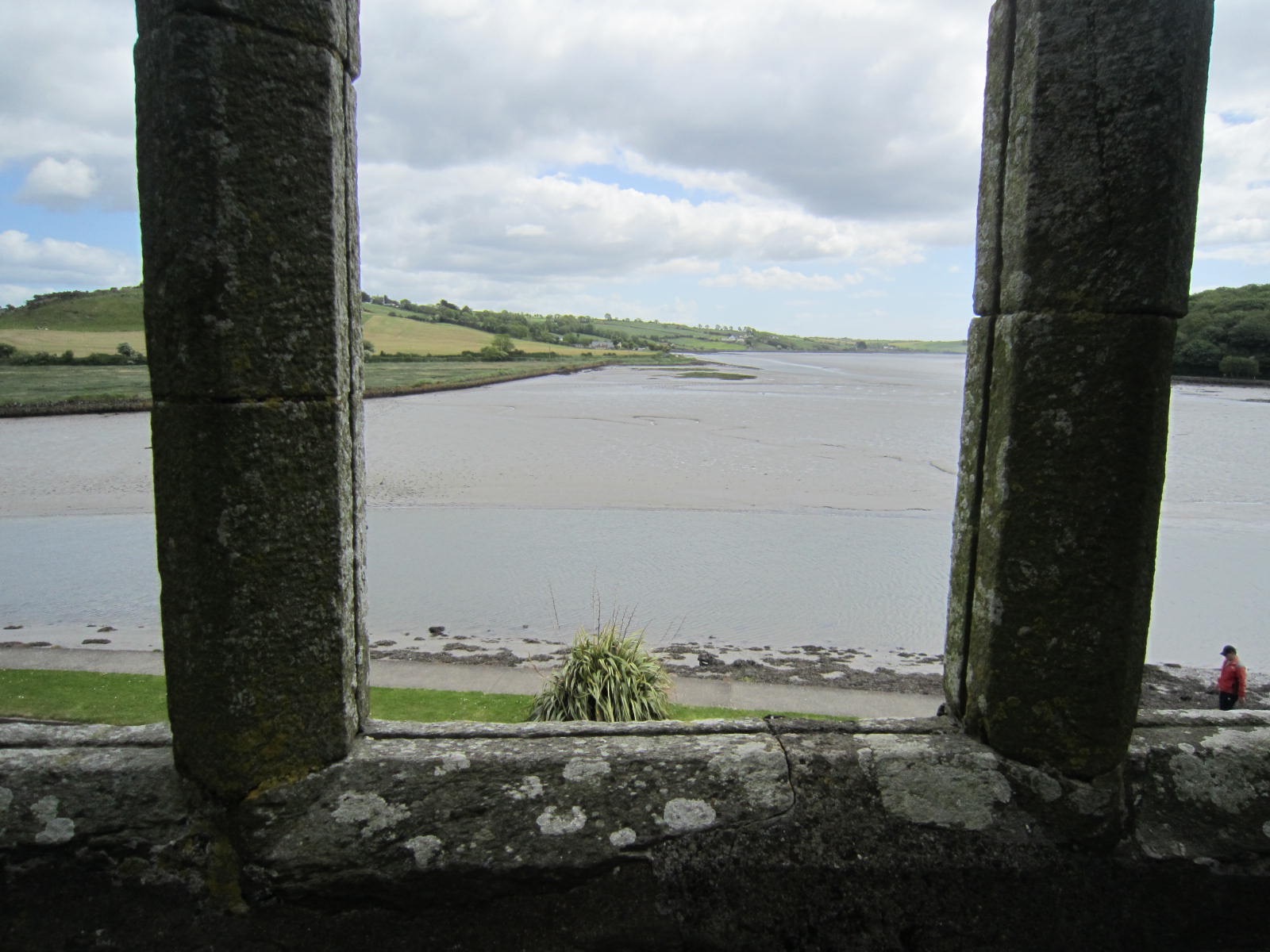
 However, pirates may have seemed a minor threat compared the friary’s fate in the hands of the English. In King Henry VIII’s time, the structure was seized and as part of the Reformation the monks were dispersed. The monks returned in 1604, and then the English soldiers returned in 1612 to sack the buildings and smash all the stained glass windows. Then in 1642, English soldiers fighting the great Irish rebellion burned both the friary and town.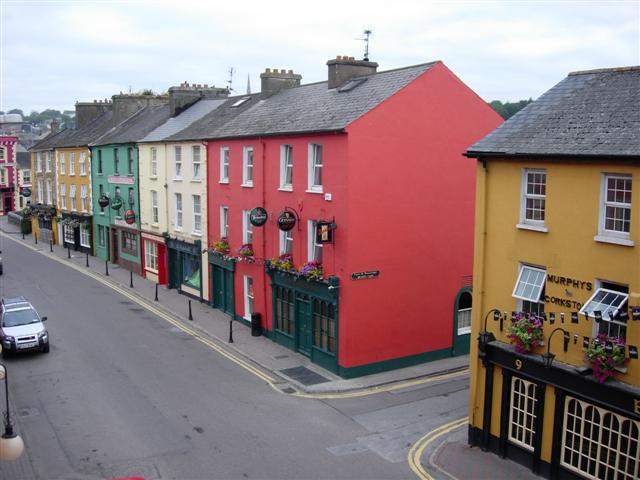
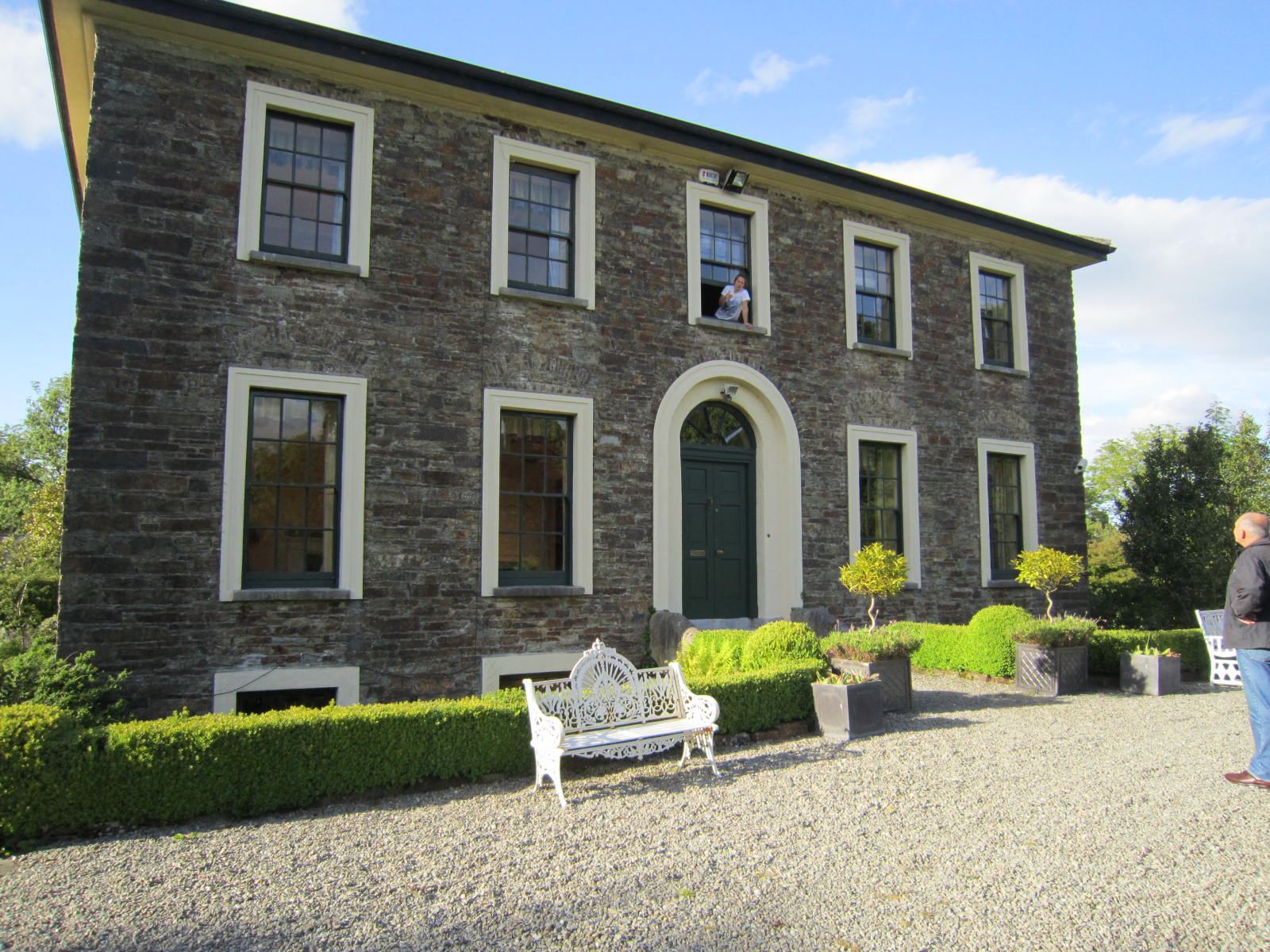 Eddie knew of the rectory and was able to take me straight there. Though it is now a private home, Eddie chatted with the resident—she was leaning out of the upstairs bathroom window where she’d been bathing her children—while I looked about the house and grounds. We did not go inside, but Eddie sent me some interior photos he happened upon when the house went on the real estate market months later.
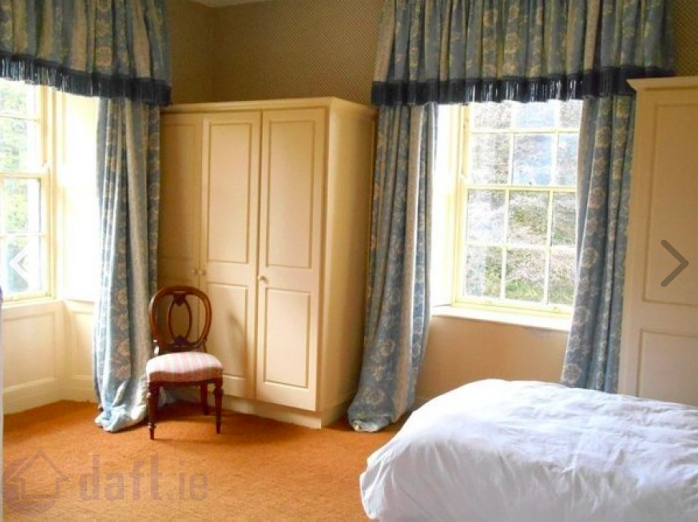
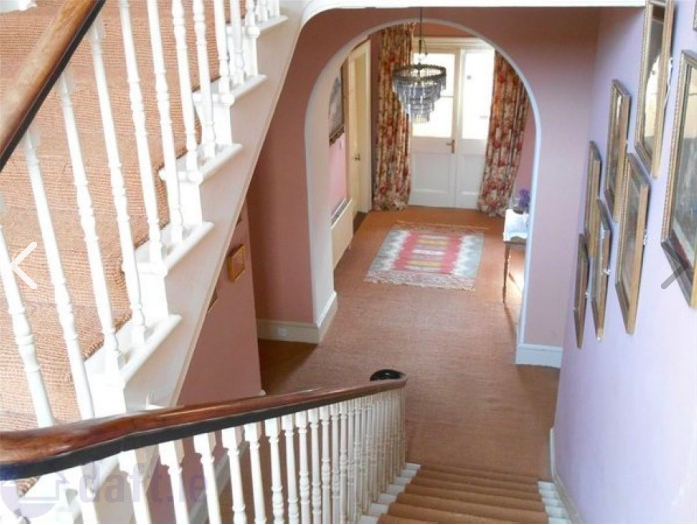 This rectory is much larger and finer than the one I had imagined, but served quite well to give me an authentic feel for the place. The front door is opposite the stairs, and on either side are doorways to the parlor and the dining room. I loved the enormous windows of the place, and the high ceilings. The bedroom is where the character Vivienne would have pushed her bed beneath a window to wait for St. Agnes to reveal the image of the man she would marry. The road outside would have been a dirt carriage path instead of a nice, clean paved drive.
 Eddie later showed me that Bandon’s town walls are mostly invisible now but for some crumbling remnants. Still, the wall sets the town apart and Bandon is a member of the
 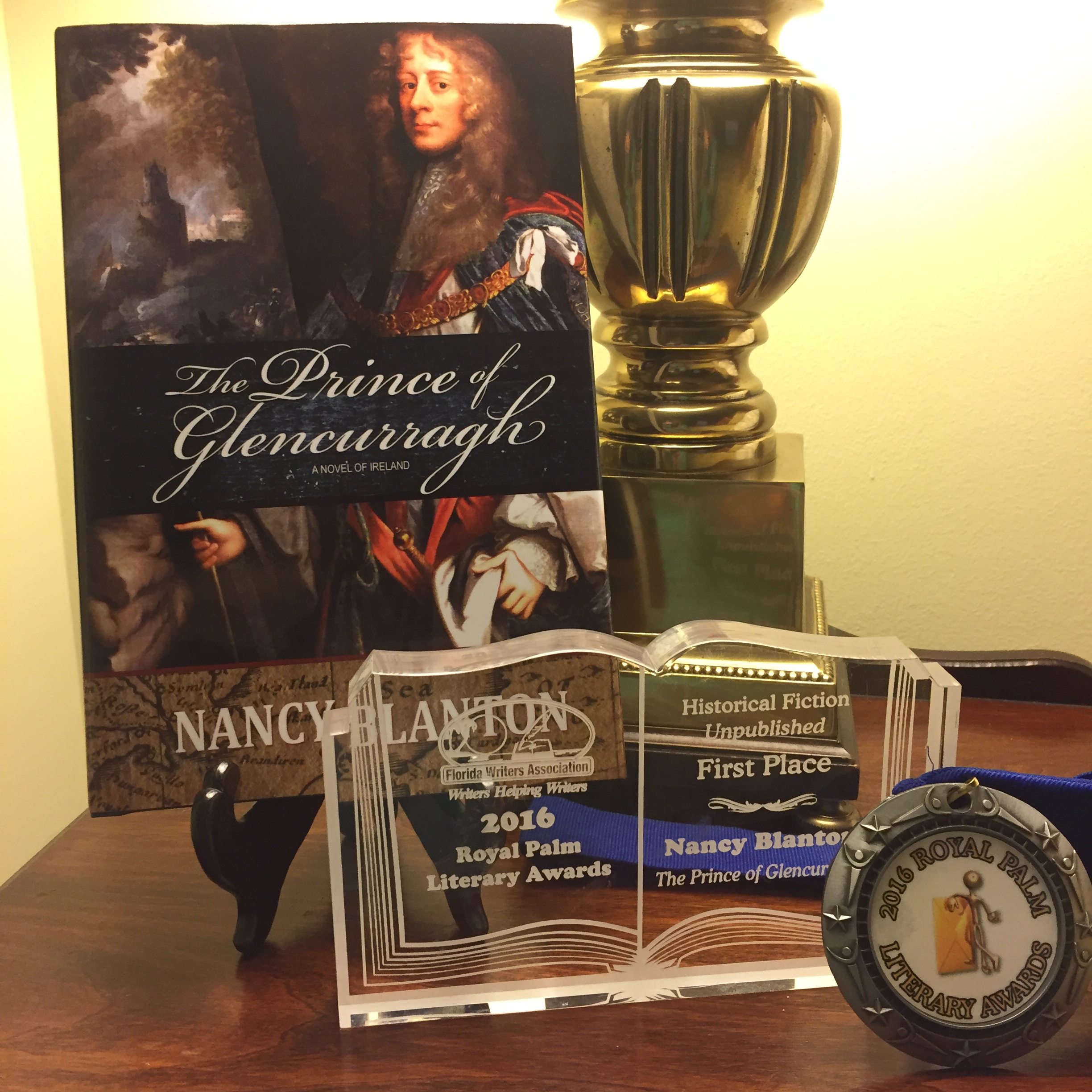 On October 22, the Florida Writers Association bestowed the coveted Royal Palm Literary Award on my second novel,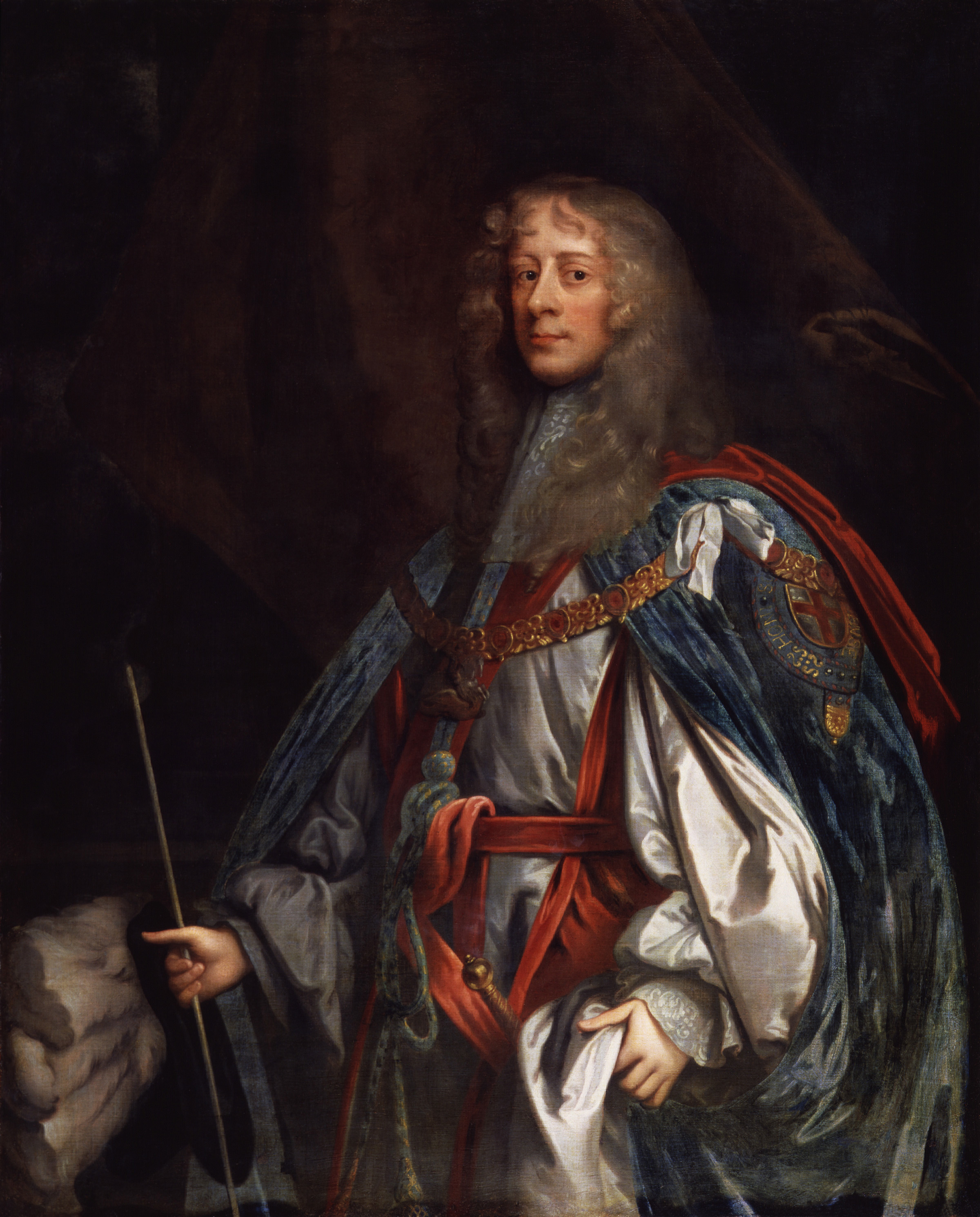
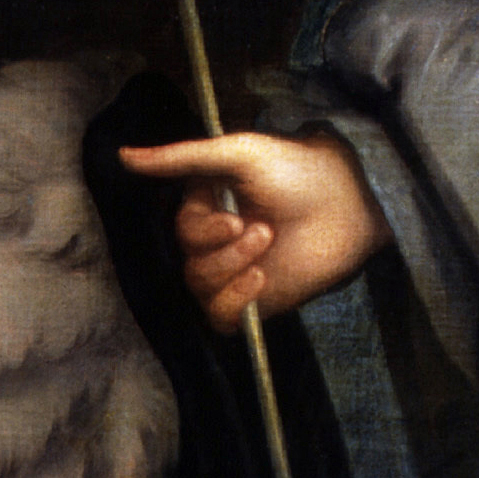 One little quirk you might notice on the cover, if you look at Ormonde’s right hand holding the lance. He appears to be missing a finger! In later portraits the finger exists, so this must be a mistake (or perhaps intentional) by the artist.
Glencurragh comes from a residential section of
One little quirk you might notice on the cover, if you look at Ormonde’s right hand holding the lance. He appears to be missing a finger! In later portraits the finger exists, so this must be a mistake (or perhaps intentional) by the artist.
Glencurragh comes from a residential section of 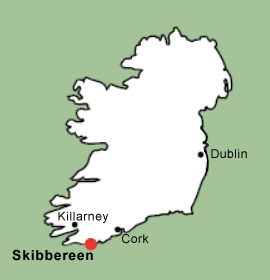 It’s because of my affection for this friend and his family that both novels are set, at least in part, in their beautiful hometown, Skibbereen.
 My next book picks up where this one ends, with events that occur between 1635 and 1641. Among English and Irish nobleman alike, hatred grows for the Lord Deputy of Ireland, Thomas Wentworth, and they set out to destroy him. In service of the Earl of Clanricarde, Faolán is charged to find the evidence that will strip Wentworth of his power.
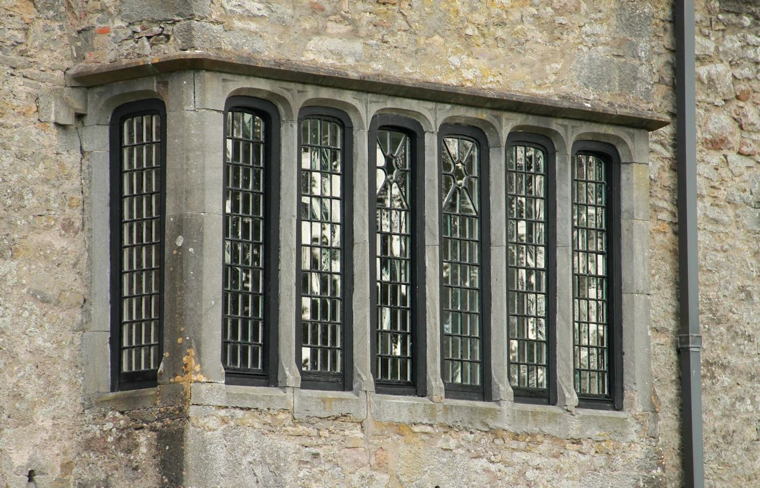
 ground level. The window was ever-after called King James’s window.
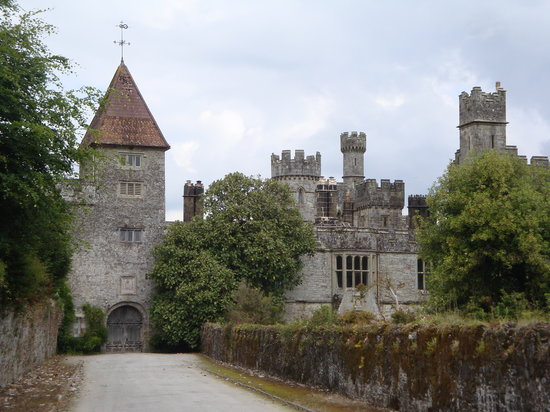 Some of the outbuildings were destroyed in the rebellion of 1641 when the castle was closely besieged by 5,000 Irish, and defended by Lord Broghill, the earl’s third son.
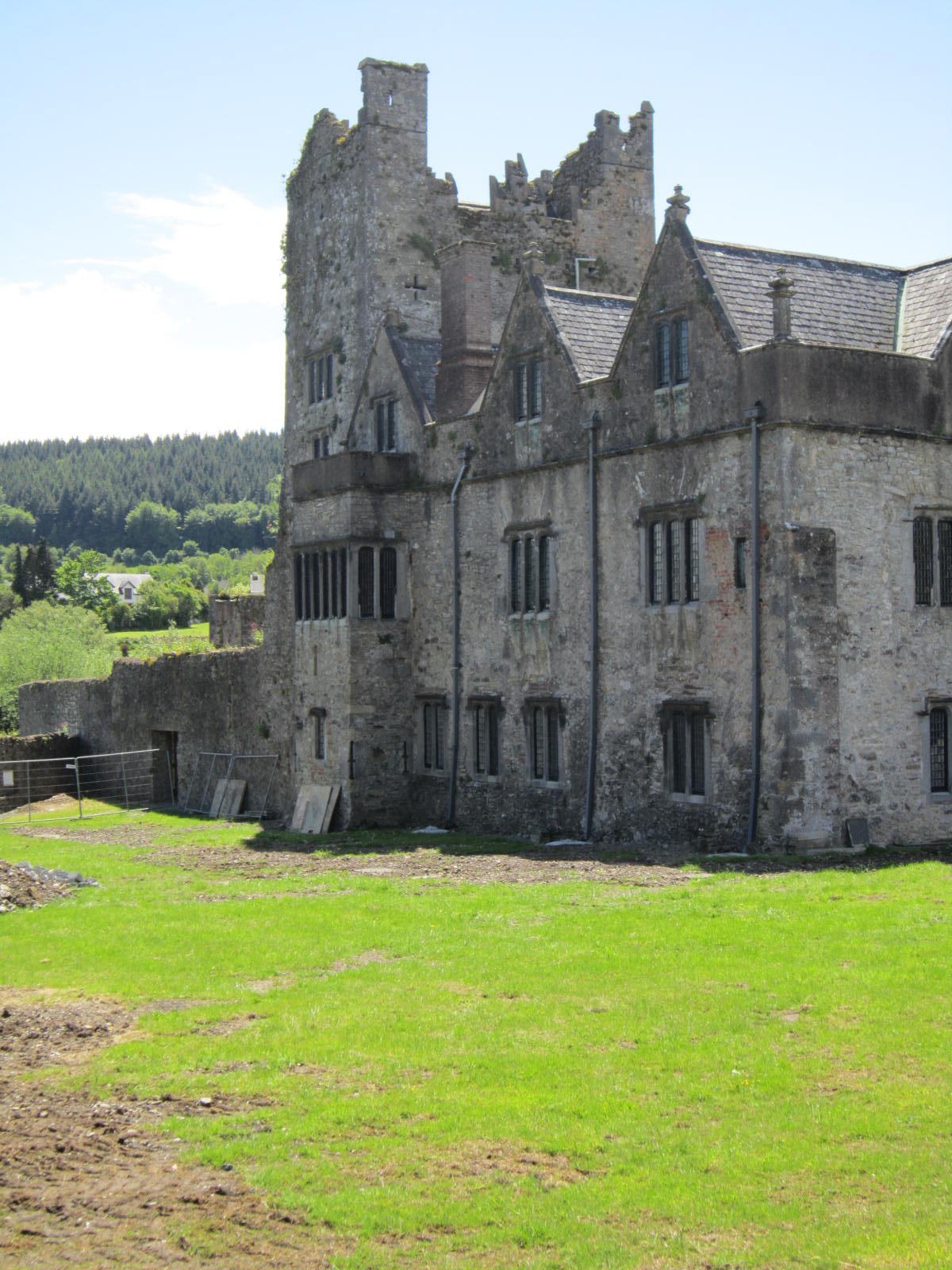 It is always thrilling to be in Ireland, although during my research trip there were some disappointments. The greatest of these was finding Carrick on Suir, (now known as Ormonde Castle to distinguish it from the town), closed for renovations for the entire year. My advance research somehow did not disclose this, so upon arrival, all I could do was walk around all sides, take pictures, and use my imagination.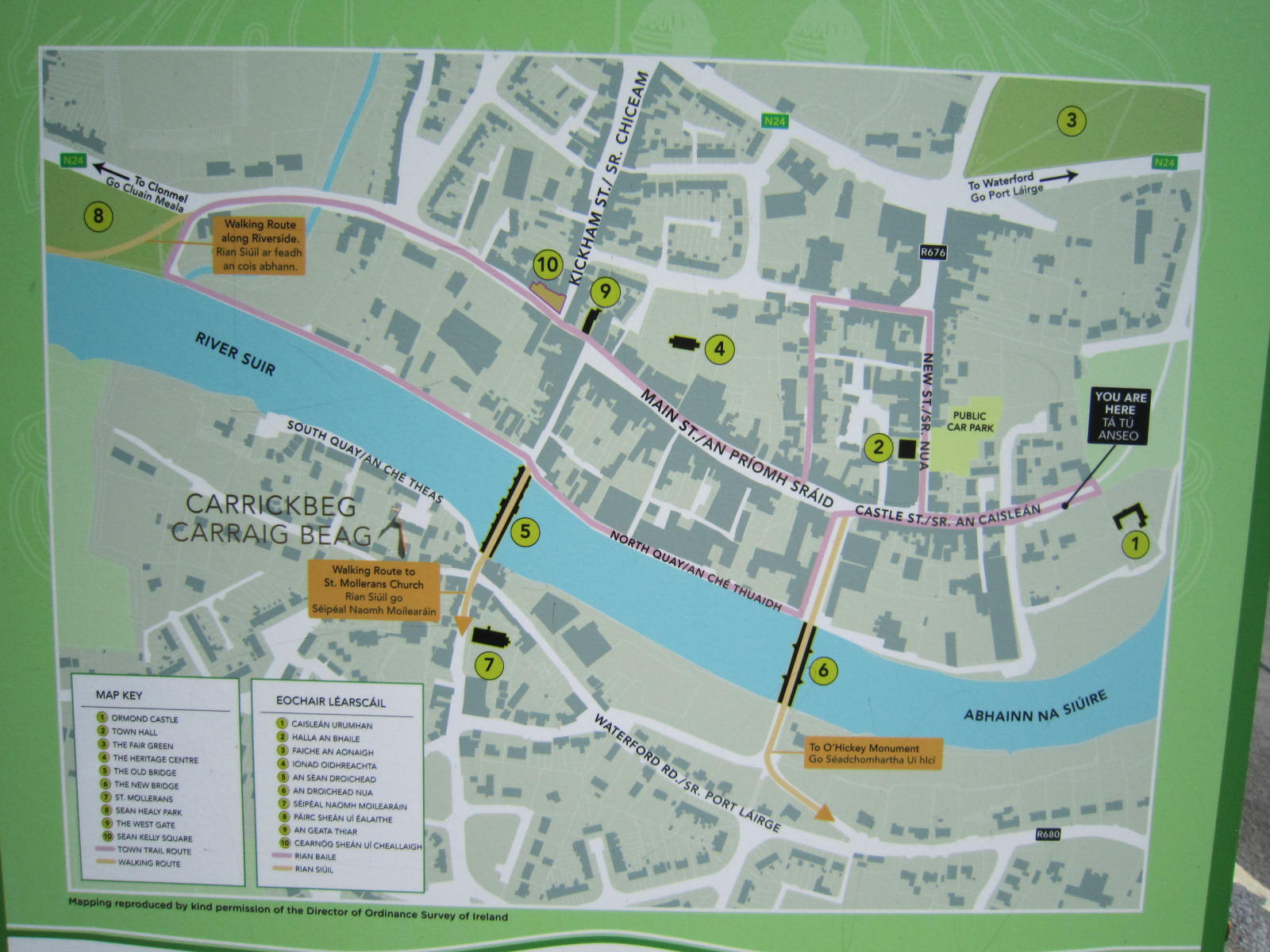
 Excitement was to be replaced by disappointment when I first reached the gates of
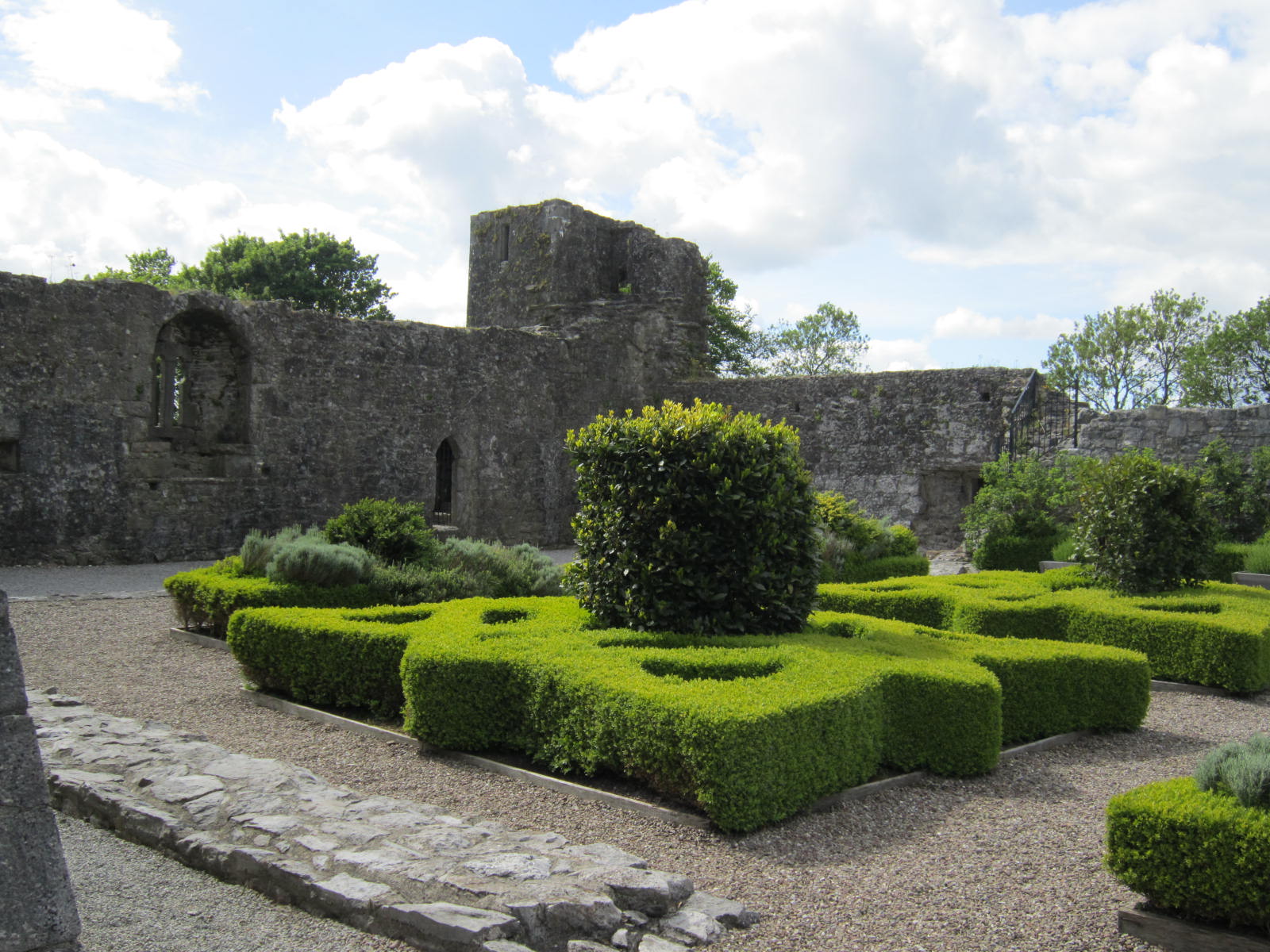
  Consequently, there is no scene in The Prince of Glencurragh that is set in Barryscourt Castle. I circled the great Norman tower twice as if hoping to find a secret passage, and then focused on the magnificent garden. Plaques were placed about so that I could identify the plants within the castle walls, a feature that is extremely helpful to an author who lives in another country and manages best with the silk plant variety.
 The original castle was built in the 12th century, and the structure I saw was dated for about 1550. The architecture is described as a typical tower house with courtyard and outer bawn or curtain wall, and a “drop-the-prisoner-in-from-the-top” type of dungeon. From the grounds, the castle has the look and feel of the ancient and romantic. I could almost feel the long courtly gown about me, sense the workers bustling in the yard, and imagine stepping through the great wooden door and then ascending a stone stairway to a room in the tower warmed by fire.
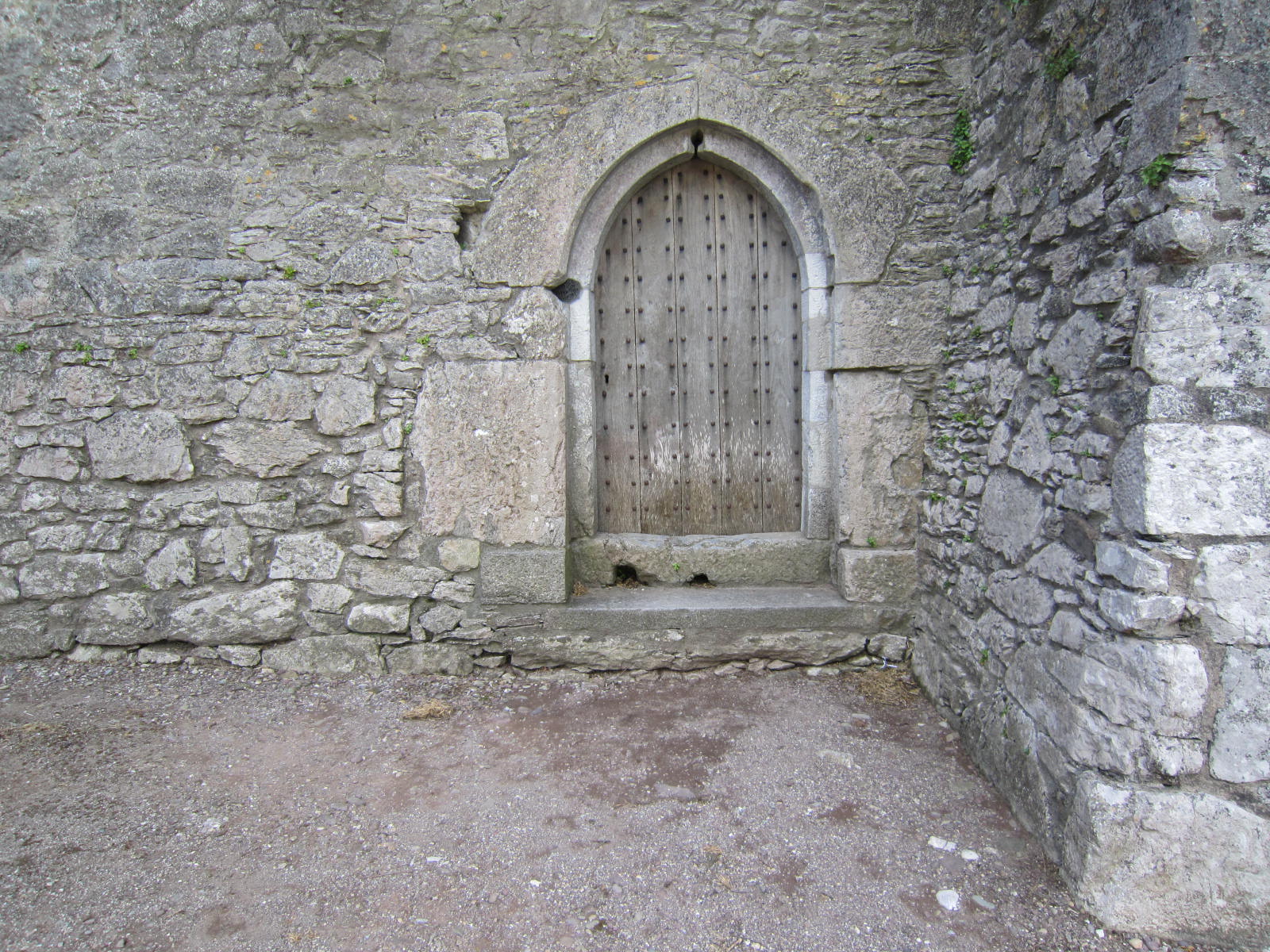 Here had been the seat of the noble de Barry family, to whom King John in the 12th century awarded baronies in South Munster province in return for service in the Norman invasion of Ireland. In this time, English landholders often intermarried with the Irish and relished their autonomy, so far removed from the king’s influence. In later years, when Henry VIII wanted to exert his authority, the Barrys supported the Desmond Rebellions. In 1680 they set fire to Barryscourt themselves rather than see it captured by Sir Walter Raleigh and his English troops. But the Barrys later submitted, and Queen Elizabeth pardoned them after the rebellions were suppressed. Barryscourt was repaired, but external walls still bear the scars of cannon fire.
 Perhaps as consolation for not getting to tour Barryscourt, in my research I stumbled across this site,
  After a cup of tea and a lemon bar in Kanturk, I proceeded east on the N72/N8 to the town of
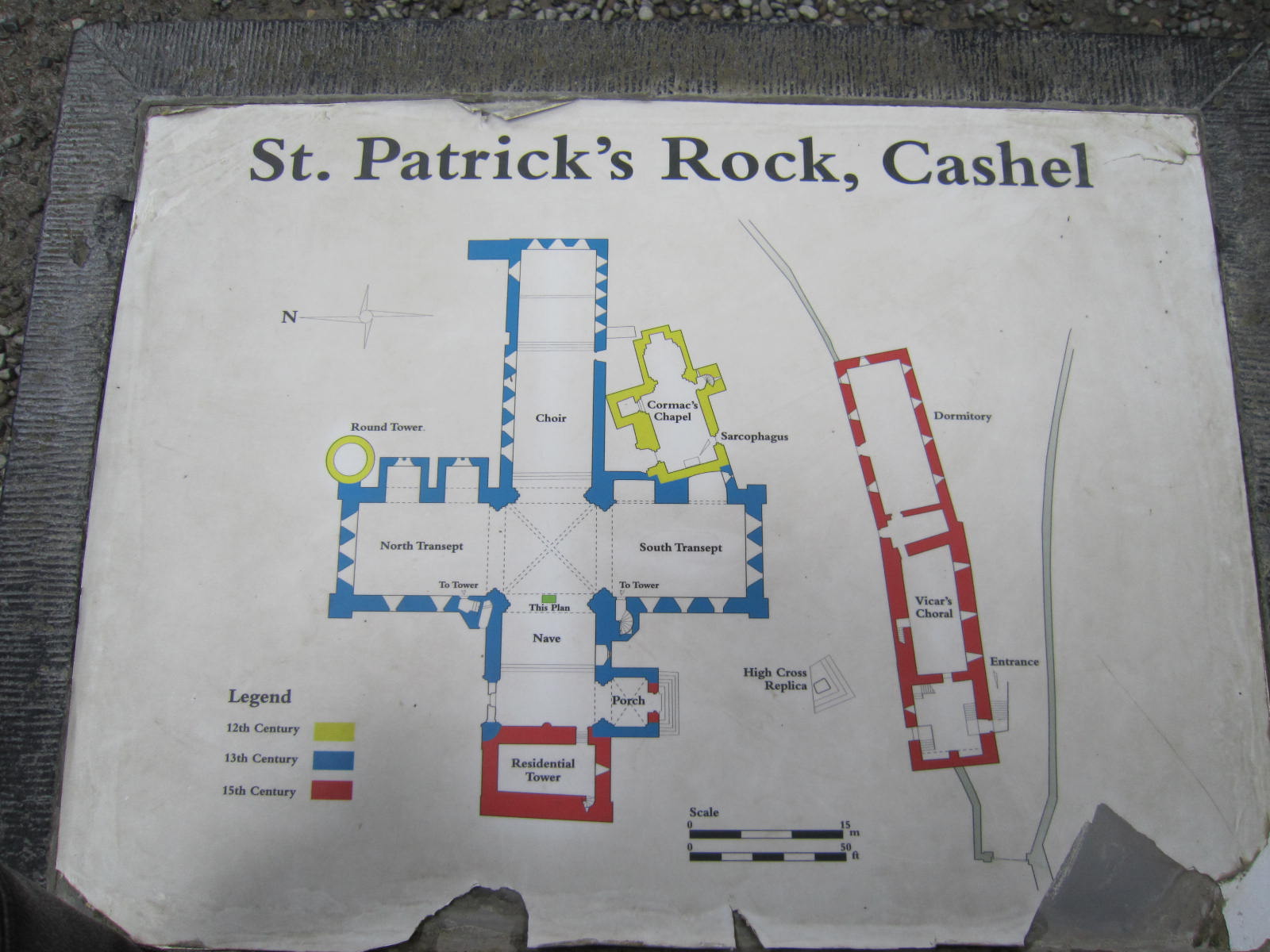
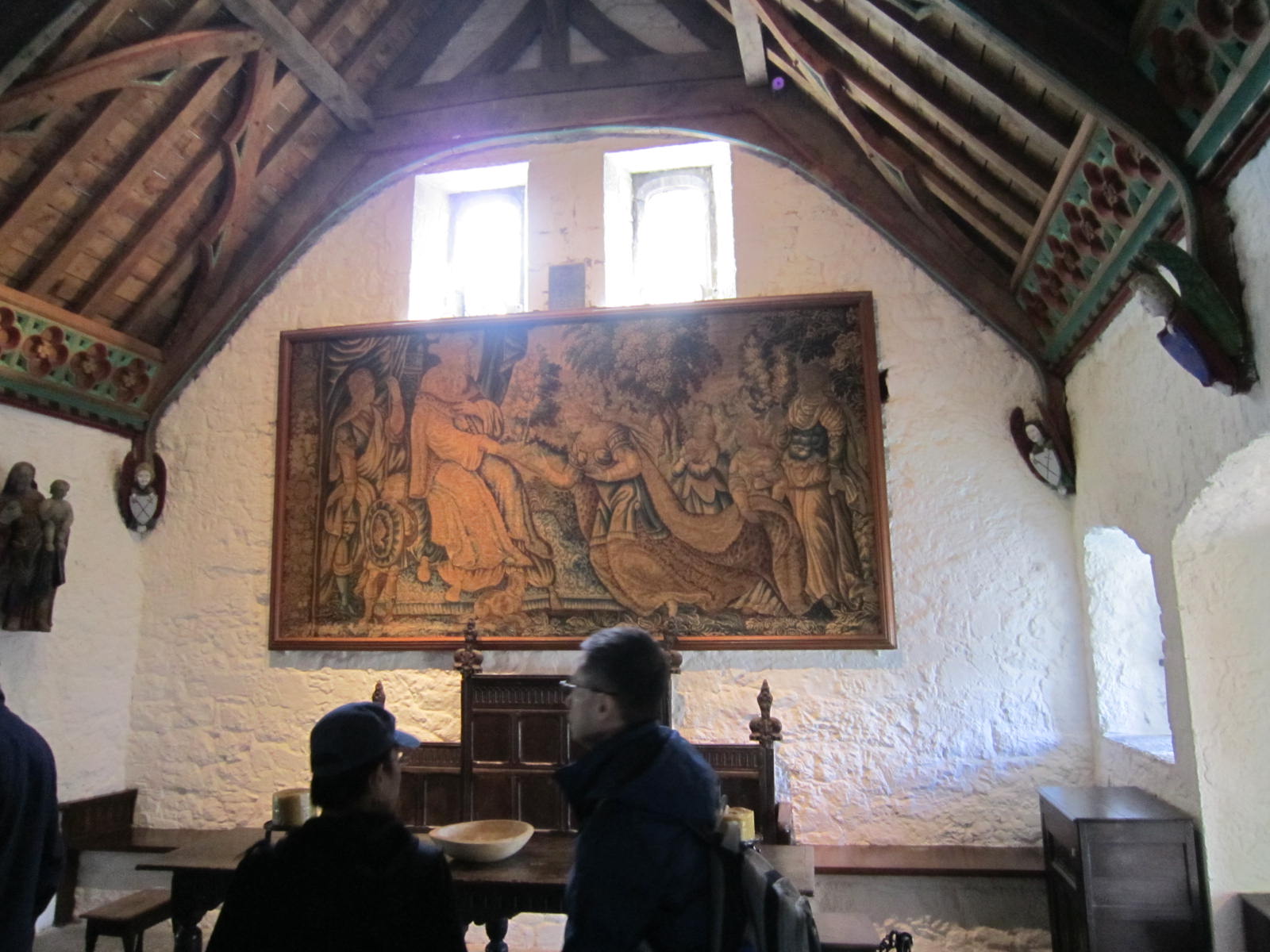
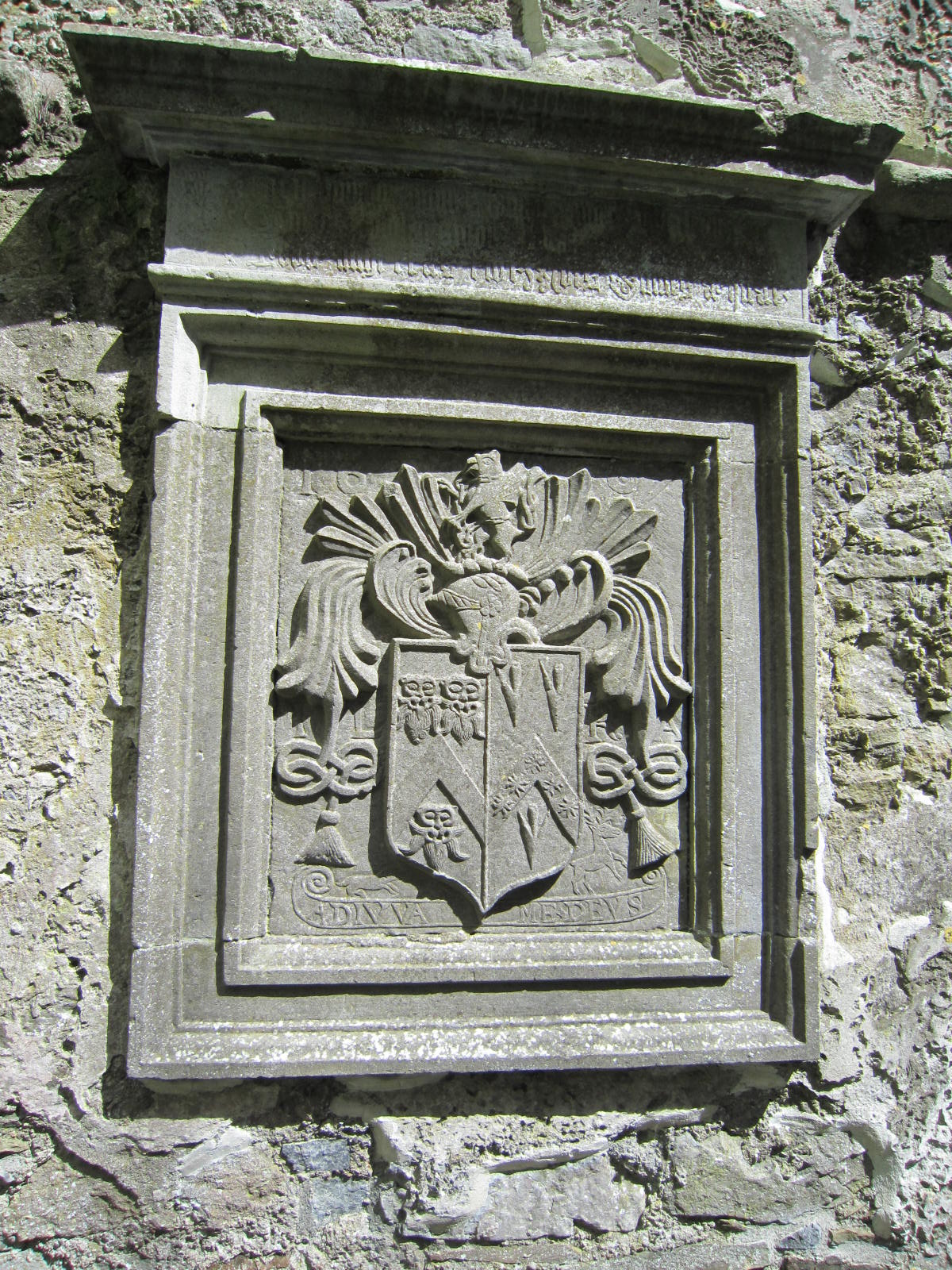
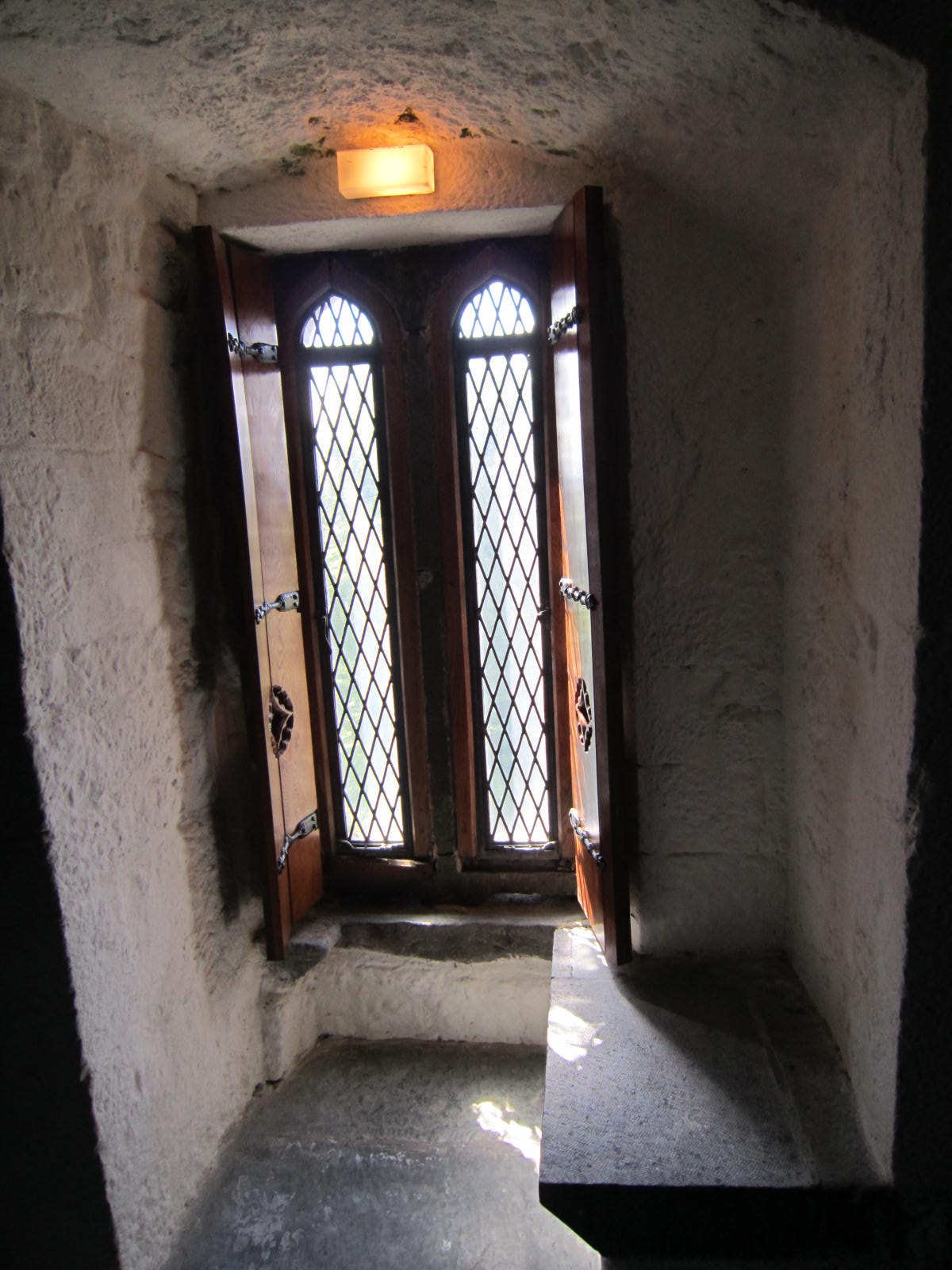 Across the courtyard from the cathedral is the vicar’s choral, including kitchen and dining hall for the men who assisted with cathedral services. This has been restored to serve as a museum. The dining hall is quite beautiful with dark ceiling beams, leaded windows and window seats, trestle table and tapestry. This choral became the setting for the mid-point scene in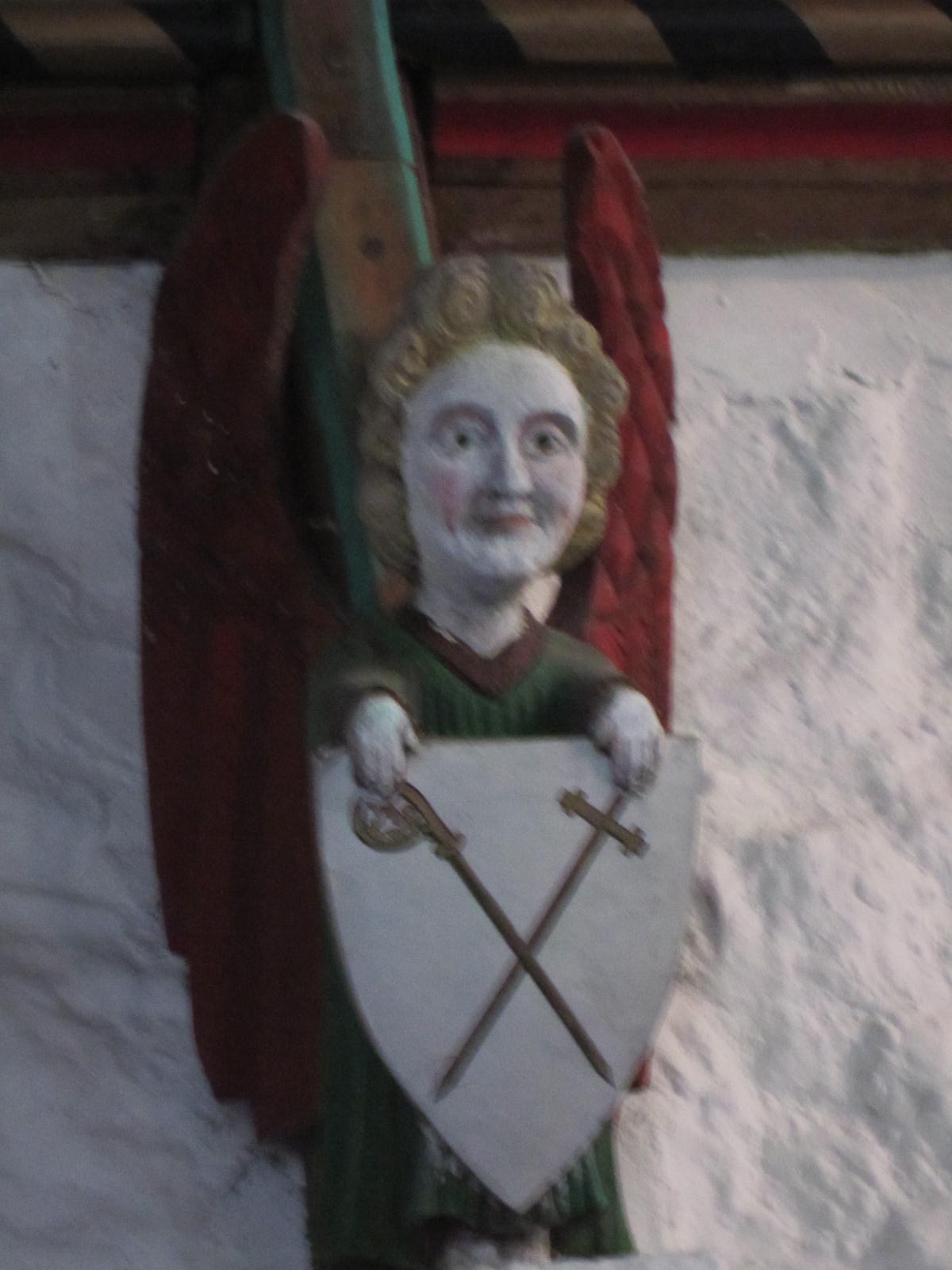
 And a side note: While in Cashel I tried to visit Bothán Scór, a peasant cottage known locally as “Hanley’s,” that traces its history back to 1623. I hoped to see an accurate example of cottage life from that time. The tiny thatch-roofed cottage had a single window but it was blocked, preventing my view inside. You can see the cottage from the street, but according to the tourist office only one man has a key to the door, and they were unable to find him before I had to leave the town. This was the first of a few unfortunate missed opportunities during my travels. If you go and are able to see it, please tell me about it!
 Sharavogue is the award-winning novel of 17th century Ireland and the West Indies, available now on
 Embark on an adventure in Irish history -- 17th century, that is, with